

Search

Natasha Chaku | MD, MPH, MS
Assistant Professor Psychological & Brain Sciences | Indiana University
Research Interest:
Research Summary:
Research Summary:
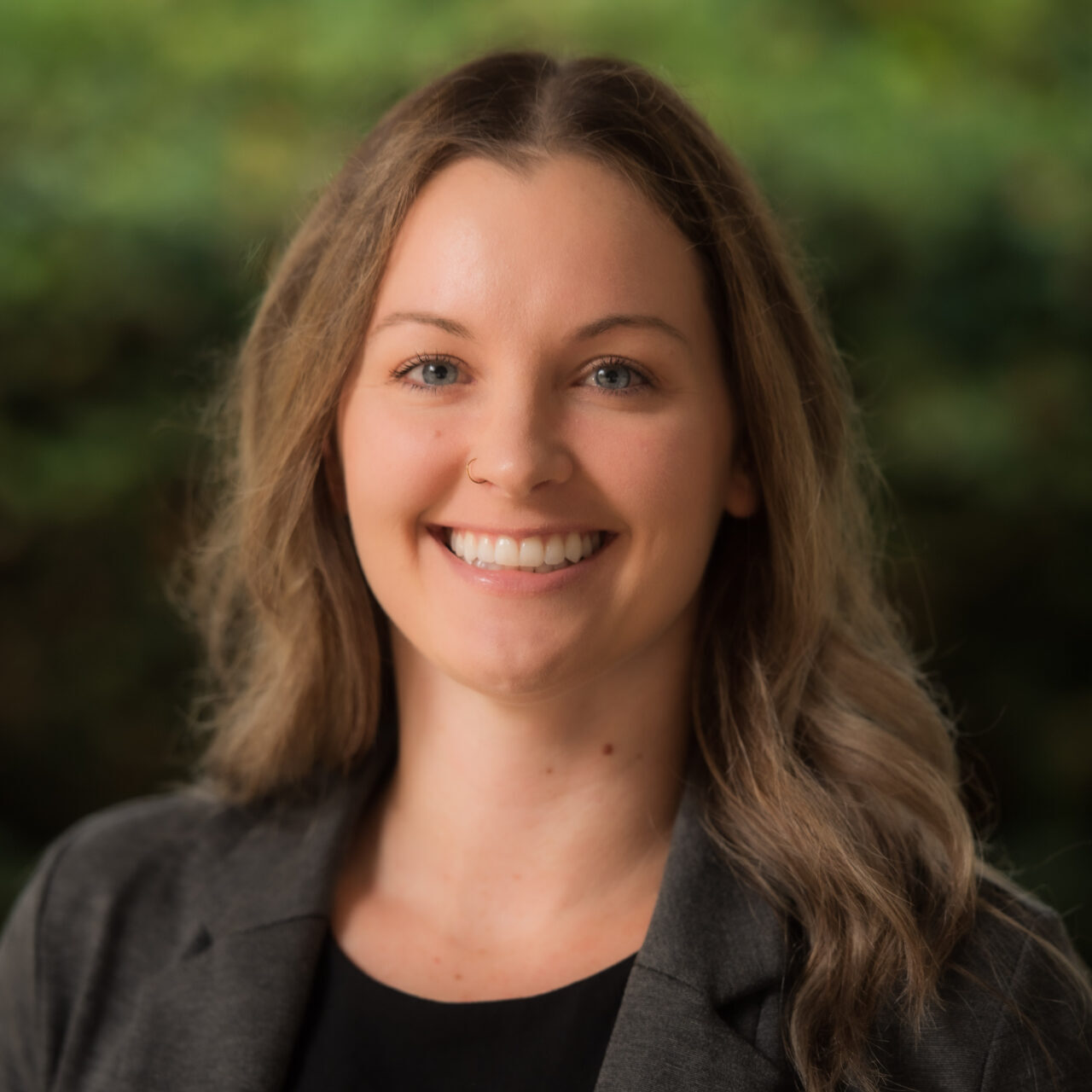
Autumn Rae Florimbio | PhD
Assistant Professor | University of Michigan
Research Interest: Substance Use Prevention, Digital Health, Intervention Development, Adaptive Interventions, Community-Engaged Research
Research Summary: I study how digital health tools can be used to prevent and reduce substance use among young adults. My research uses community-engaged and mixed methods approaches to develop and test adaptive interventions that are engaging, relevant, and responsive to changing needs over time. My work aims to create scalable digital health interventions that provide personalized support to improve substance use and well-being outcomes for diverse young adults.
Research Summary: I study how digital health tools can be used to prevent and reduce substance use among young adults. My research uses community-engaged and mixed methods approaches to develop and test adaptive interventions that are engaging, relevant, and responsive to changing needs over time. My work aims to create scalable digital health interventions that provide personalized support to improve substance use and well-being outcomes for diverse young adults.
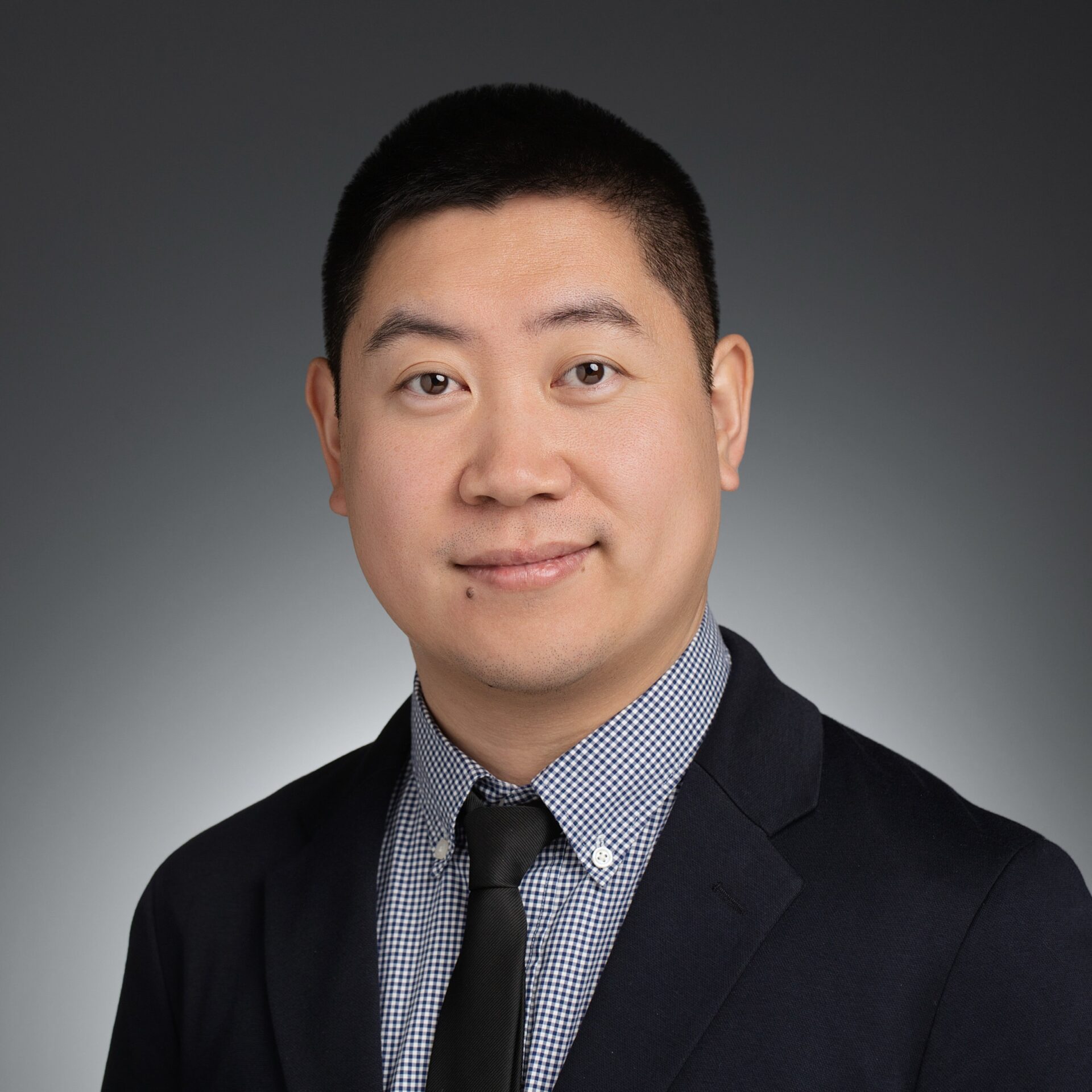
Chenglin Hong | PhD
Assistant Professor | University of Connecticut
Research Interest: eHealth, implementation science, intimate partner violence, LGBTQ Health, HIV/AIDS, prevention science, substance use, global mental health, syndemic, community-based participatory research
Research Summary: Dr. Hong’s research addresses health disparities among sexual and gender minorities, with a focus on improving sexual and mental health outcomes for gay, bisexual, and other sexual minority men (SMM). Trained as a social worker and community-based participatory researcher, he develops and tests interventions targeting intimate partner violence (IPV), substance use, mental health, and HIV/STI prevention. His interdisciplinary work bridges social work, public health, psychology, and implementation science, with particular emphasis on the acceptability, appropriateness, and feasibility of technology-based interventions (eHealth and mHealth) to promote behavior change and health service utilization, including IPV help-seeking, and mental health and HIV/STI prevention services. His research spans multiple regions, including the United States, China, Kenya, and Eastern Europe and Central Asia.
Research Summary: Dr. Hong’s research addresses health disparities among sexual and gender minorities, with a focus on improving sexual and mental health outcomes for gay, bisexual, and other sexual minority men (SMM). Trained as a social worker and community-based participatory researcher, he develops and tests interventions targeting intimate partner violence (IPV), substance use, mental health, and HIV/STI prevention. His interdisciplinary work bridges social work, public health, psychology, and implementation science, with particular emphasis on the acceptability, appropriateness, and feasibility of technology-based interventions (eHealth and mHealth) to promote behavior change and health service utilization, including IPV help-seeking, and mental health and HIV/STI prevention services. His research spans multiple regions, including the United States, China, Kenya, and Eastern Europe and Central Asia.
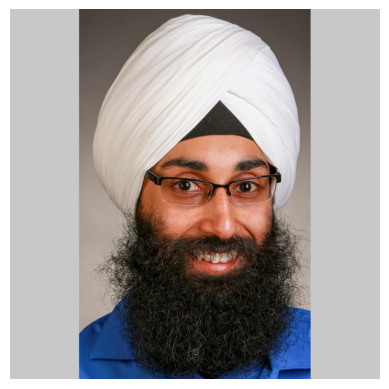
Amrik Singh Khalsa | MD, MSc
Assistant Professor | Nationwide Children's Hospital
Research Interest: Pediatric Obesity, Cardiovascular Disease Prevention, Health Disparities, Child Health Equity, Family-Based Interventions, At-Risk Populations, Community-Engaged Research, Health Literacy, Behavior Change and Self-Efficacy, Food is Medicine
Research Summary: I am a clinician investigator, dual trained in Internal Medicine and Pediatrics. I am an Assistant Professor of Pediatrics at Nationwide Children's Hospital and a Principal Investigator in the Center for Child Health Equity and Outcomes Research in the Abigail Wexner Research Institute. My research focuses on reducing disparities and improving outcomes in obesity and its related co-morbidities through family-based prevention interventions. My research activities to date have broadly focused on designing prevention interventions to reduce their long-term risk of obesity-related co-morbidities including cardiovascular disease. I regularly work with at-risk populations including families from low-income households and those from minoritized racial groups. For the past few years, I have been working with families, community members, and healthcare clinicians to design and assess a visual-based, multi-component communication tool, which seeks to assess cardiovascular disease risk factors and future risk, deliver this in a health-literacy friendly method, and promote self-efficacy in behavior change for shared behaviors among family members. In addition, I have worked collaboratively on several Food-is-Medicine projects including in academic centers (e.g., garden-based obesity prevention intervention) and community partners (e.g., community gardens to improve lifestyle behaviors). Thus, I regularly work with people from a variety of backgrounds, interests, and perspectives.
Research Summary: I am a clinician investigator, dual trained in Internal Medicine and Pediatrics. I am an Assistant Professor of Pediatrics at Nationwide Children's Hospital and a Principal Investigator in the Center for Child Health Equity and Outcomes Research in the Abigail Wexner Research Institute. My research focuses on reducing disparities and improving outcomes in obesity and its related co-morbidities through family-based prevention interventions. My research activities to date have broadly focused on designing prevention interventions to reduce their long-term risk of obesity-related co-morbidities including cardiovascular disease. I regularly work with at-risk populations including families from low-income households and those from minoritized racial groups. For the past few years, I have been working with families, community members, and healthcare clinicians to design and assess a visual-based, multi-component communication tool, which seeks to assess cardiovascular disease risk factors and future risk, deliver this in a health-literacy friendly method, and promote self-efficacy in behavior change for shared behaviors among family members. In addition, I have worked collaboratively on several Food-is-Medicine projects including in academic centers (e.g., garden-based obesity prevention intervention) and community partners (e.g., community gardens to improve lifestyle behaviors). Thus, I regularly work with people from a variety of backgrounds, interests, and perspectives.
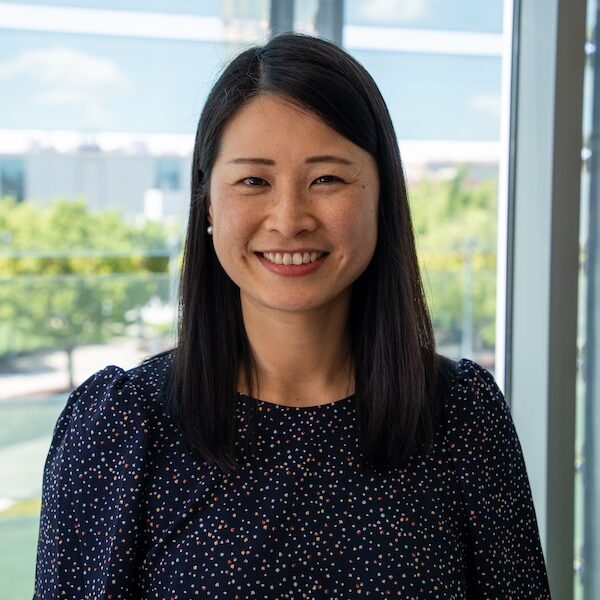
Tzeyu Lin Michaud | PhD
Associate Professor | UNMC College of Public Health
Research Interest: Obesity and Weight Management, Smoking and Vaping, Chronic Disease Prevention and Control, Diabetes, Economic Evaluation, Cost-Effectiveness Analysis, Decision Analytic Modeling, Implementation Science, Behavioral Economics
Research Summary: Tzeyu Lin Michaud, PhD, is an associate professor and Director of PhD Program & Academic Development for the Department of Health Promotion of the UNMC College of Public Health. As a population health scientist, Dr. Michaud research program is centered on health promotion and chronic disease prevention and control by addressing modifiable risk factors, such as smoking, vaping, and obesity, and related health disparities, with a particular focus on smoking/vaping cessation and weight management programing. Her research approach leverages behavioral economics to enhance the reach, engagement, and retention of evidence-based programs, coupled with economic evaluations to inform decision making process regarding the adoption, implementation, and maintenance of these health promotion practices.
Research Summary: Tzeyu Lin Michaud, PhD, is an associate professor and Director of PhD Program & Academic Development for the Department of Health Promotion of the UNMC College of Public Health. As a population health scientist, Dr. Michaud research program is centered on health promotion and chronic disease prevention and control by addressing modifiable risk factors, such as smoking, vaping, and obesity, and related health disparities, with a particular focus on smoking/vaping cessation and weight management programing. Her research approach leverages behavioral economics to enhance the reach, engagement, and retention of evidence-based programs, coupled with economic evaluations to inform decision making process regarding the adoption, implementation, and maintenance of these health promotion practices.
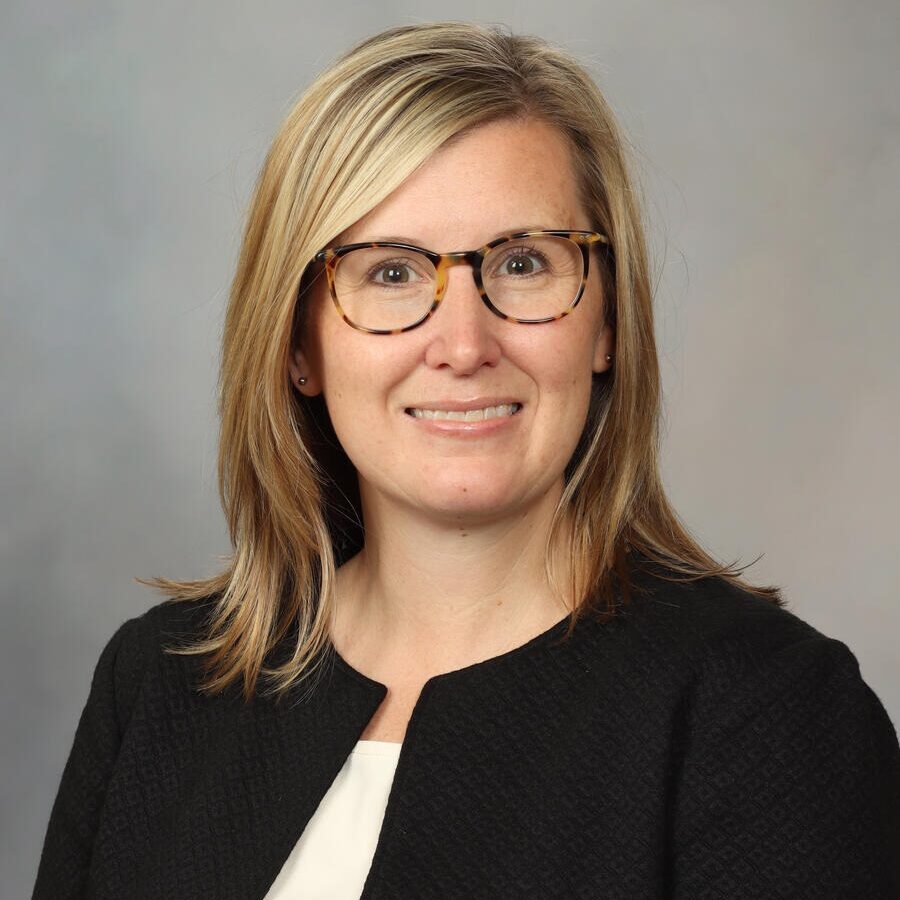
Lindsey M. Philpot | PhD, MPH
Associate Professor of Medicine | Mayo Clinic
Research Interest: digitally enabled care delivery; relationship-centered models of care; human-centered design and co-creation; implementation and equity science; remote monitoring and patient-reported outcomes; integration of home-based data into clinical workflows and decision-making
Research Summary: I am an epidemiologist and health services researcher focused on designing, optimizing, and implementing digital care delivery models that augment relationship-centered medicine. I integrate human-centered design, implementation science, and the science of healthcare delivery to leverage mobile technologies, remote monitoring, and patient-reported data within routine clinical workflows for patients with serious and complex needs. My recent work has advanced patient-derived design principles for mHealth-supported healing at home after hospital discharge, with a focus on supporting human connection while minimizing burden, fragmentation, and cost. I have also characterized barriers older adults face in virtual and mobile care, including usability, access, digital literacy, sensory limitations, and caregiver dependency, and co-developed pragmatic strategies to promote equitable uptake. In parallel, I have led practice-based evaluations integrating virtual care providers and digital decision-support tools within an academic medical center, detailing scalable collaboration, referral, and escalation models.
Research Summary: I am an epidemiologist and health services researcher focused on designing, optimizing, and implementing digital care delivery models that augment relationship-centered medicine. I integrate human-centered design, implementation science, and the science of healthcare delivery to leverage mobile technologies, remote monitoring, and patient-reported data within routine clinical workflows for patients with serious and complex needs. My recent work has advanced patient-derived design principles for mHealth-supported healing at home after hospital discharge, with a focus on supporting human connection while minimizing burden, fragmentation, and cost. I have also characterized barriers older adults face in virtual and mobile care, including usability, access, digital literacy, sensory limitations, and caregiver dependency, and co-developed pragmatic strategies to promote equitable uptake. In parallel, I have led practice-based evaluations integrating virtual care providers and digital decision-support tools within an academic medical center, detailing scalable collaboration, referral, and escalation models.
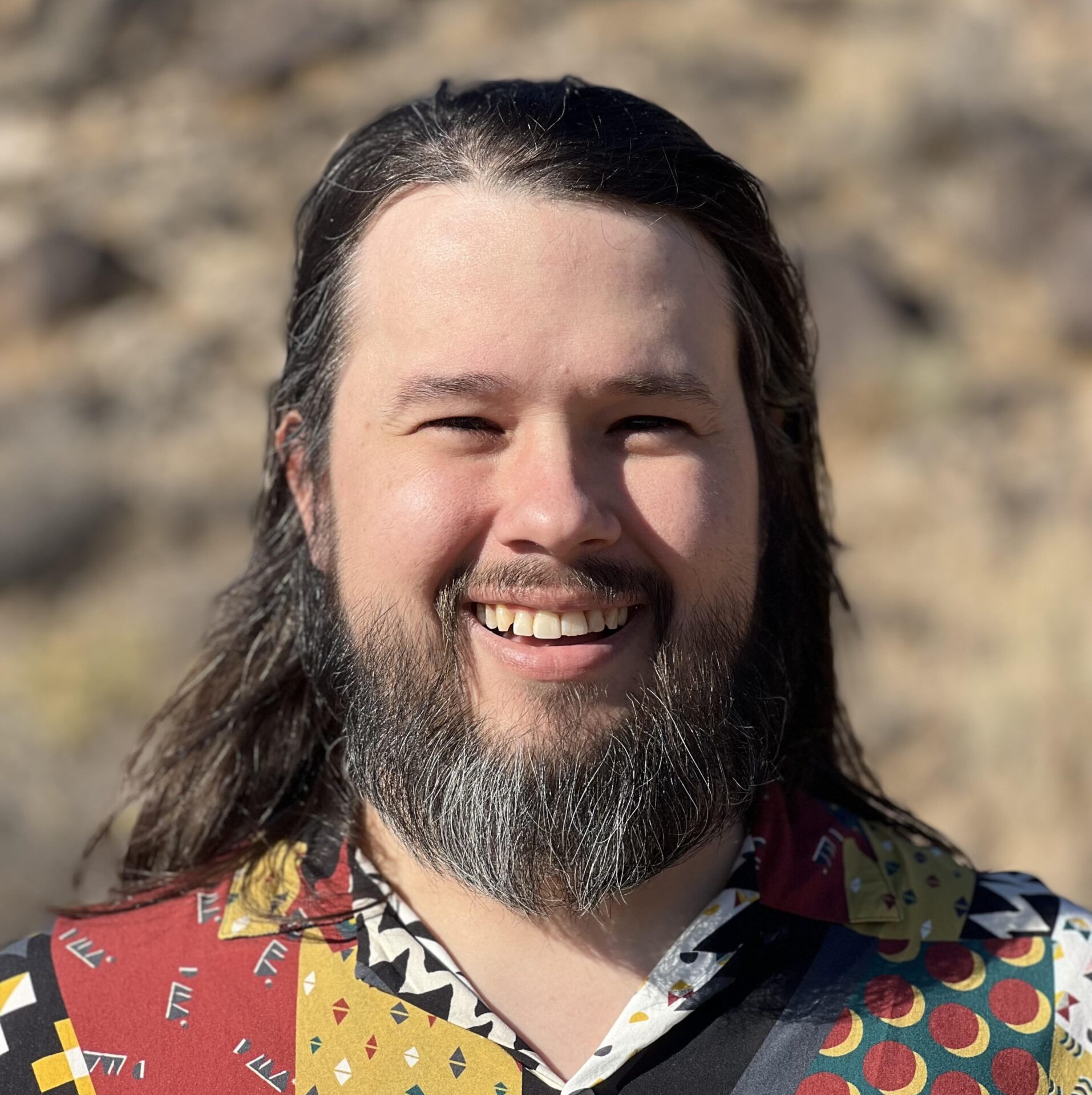
Matison McCool | PhD
Assistant Research Professor | University of New Mexico
Research Interest: Wearable Sensors, Real-Time Intervention for Substance Use Disorders, Advanced Quantitative Methods
Research Summary: I incorporate the use of wearable sensors (electrocardiogram/photoplethysmography) into existing and new treatment modalities to help improve real-time outcomes for individuals struggling with substance use disorders. By understanding the effects of individual treatment components on stress, I aim to help decrease the harms associated with substance use by creating science-informed adaptive interventions. I am also interested in advanced quantitative methods (multilevel modeling, machine learning, multilevel measurement modeling) to help better understand the relationship between predictors and substance use outcomes in daily life. My current work focuses on using electrocardiogram sensors to understand how psychophysiological self-regulation may change because of mindfulness-based relapse prevention (MBRP) and how that change may affect drinking outcomes.
Research Summary: I incorporate the use of wearable sensors (electrocardiogram/photoplethysmography) into existing and new treatment modalities to help improve real-time outcomes for individuals struggling with substance use disorders. By understanding the effects of individual treatment components on stress, I aim to help decrease the harms associated with substance use by creating science-informed adaptive interventions. I am also interested in advanced quantitative methods (multilevel modeling, machine learning, multilevel measurement modeling) to help better understand the relationship between predictors and substance use outcomes in daily life. My current work focuses on using electrocardiogram sensors to understand how psychophysiological self-regulation may change because of mindfulness-based relapse prevention (MBRP) and how that change may affect drinking outcomes.
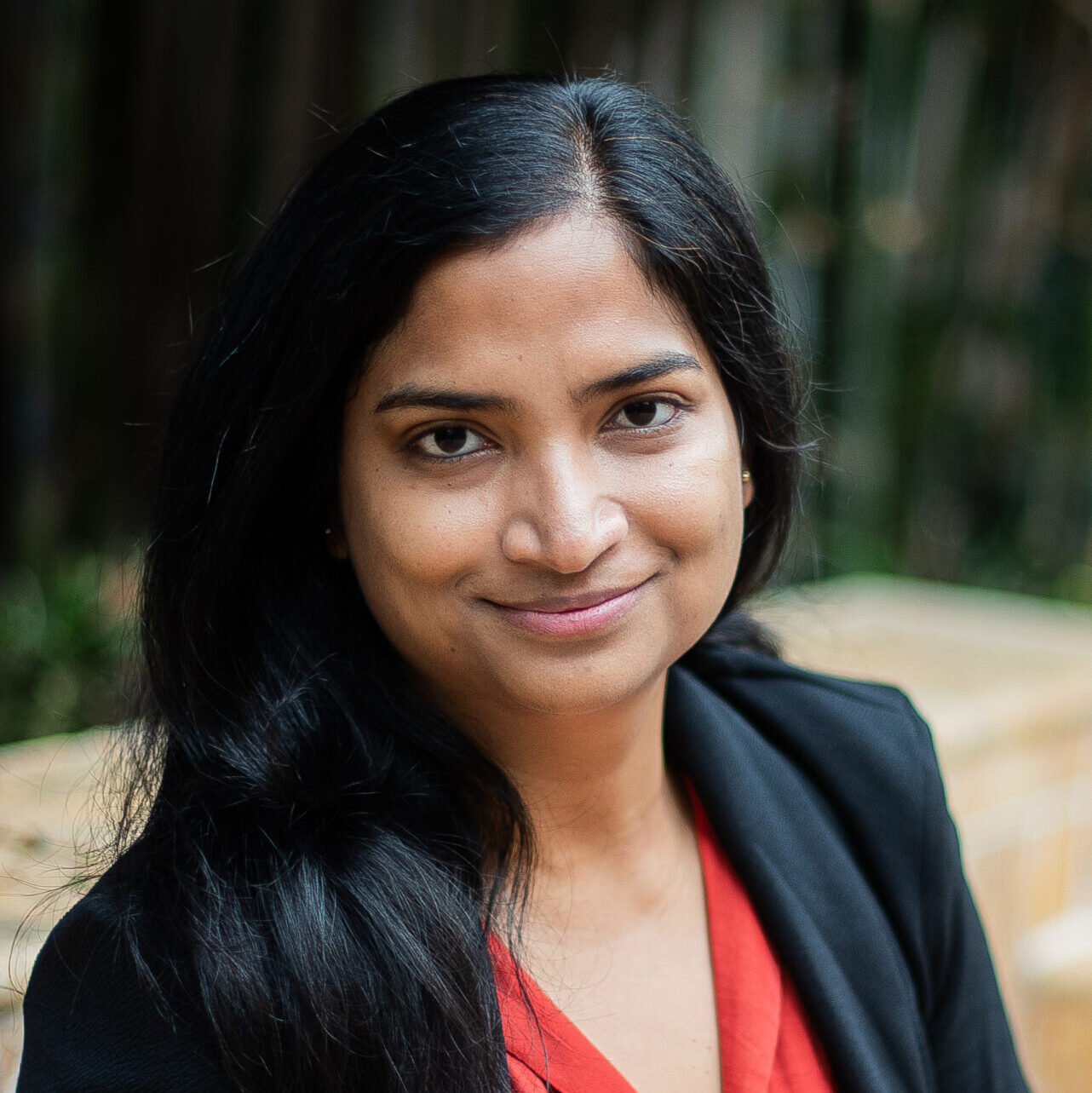
Shriti Raj | PhD
Assistant Research Professor | Stanford University
Research Interest: Human-Computer Interaction, Consumer Decision-Support, Diabetes, Patient-Generated Data
Research Summary: I am an Assistant Research Professor in Center for Biomedical Informatics Research and a junior fellow in the Institute for Human-Centered Artificial Intelligence at Stanford University. My research focuses on developing methods and techniques to augment human engagement with health data and algorithms to support data-based sensemaking and decision-making activities. I use qualitative methods to examine the practices and challenges of leveraging self-tracked data from wearable devices to inform the management of chronic conditions. I use mixed methods to design and evaluate patient-centered mobile interfaces to enhance patients' ability to act upon their health data. My work has contributed to an educational program at the University of Michigan to train people with Type 1 diabetes in using data from continuous glucose monitors and insulin pumps to make everyday care decisions. It has also contributed to the design of an automated insulin delivery system at Tidepool, a non-profit organization serving the Type 1 diabetes community. My research has been published in top Human-Computer Interaction venues (ACM CHI, CSCW, and IMWUT) with one best paper honorable mention award. My dissertation research was awarded the Rackham Predoctoral Fellowship by the University of Michigan. My long-term goal is to develop and deploy mobile interventions that enable patients and clinicians in using wearable device data toward better health outcomes.
Research Summary: I am an Assistant Research Professor in Center for Biomedical Informatics Research and a junior fellow in the Institute for Human-Centered Artificial Intelligence at Stanford University. My research focuses on developing methods and techniques to augment human engagement with health data and algorithms to support data-based sensemaking and decision-making activities. I use qualitative methods to examine the practices and challenges of leveraging self-tracked data from wearable devices to inform the management of chronic conditions. I use mixed methods to design and evaluate patient-centered mobile interfaces to enhance patients' ability to act upon their health data. My work has contributed to an educational program at the University of Michigan to train people with Type 1 diabetes in using data from continuous glucose monitors and insulin pumps to make everyday care decisions. It has also contributed to the design of an automated insulin delivery system at Tidepool, a non-profit organization serving the Type 1 diabetes community. My research has been published in top Human-Computer Interaction venues (ACM CHI, CSCW, and IMWUT) with one best paper honorable mention award. My dissertation research was awarded the Rackham Predoctoral Fellowship by the University of Michigan. My long-term goal is to develop and deploy mobile interventions that enable patients and clinicians in using wearable device data toward better health outcomes.
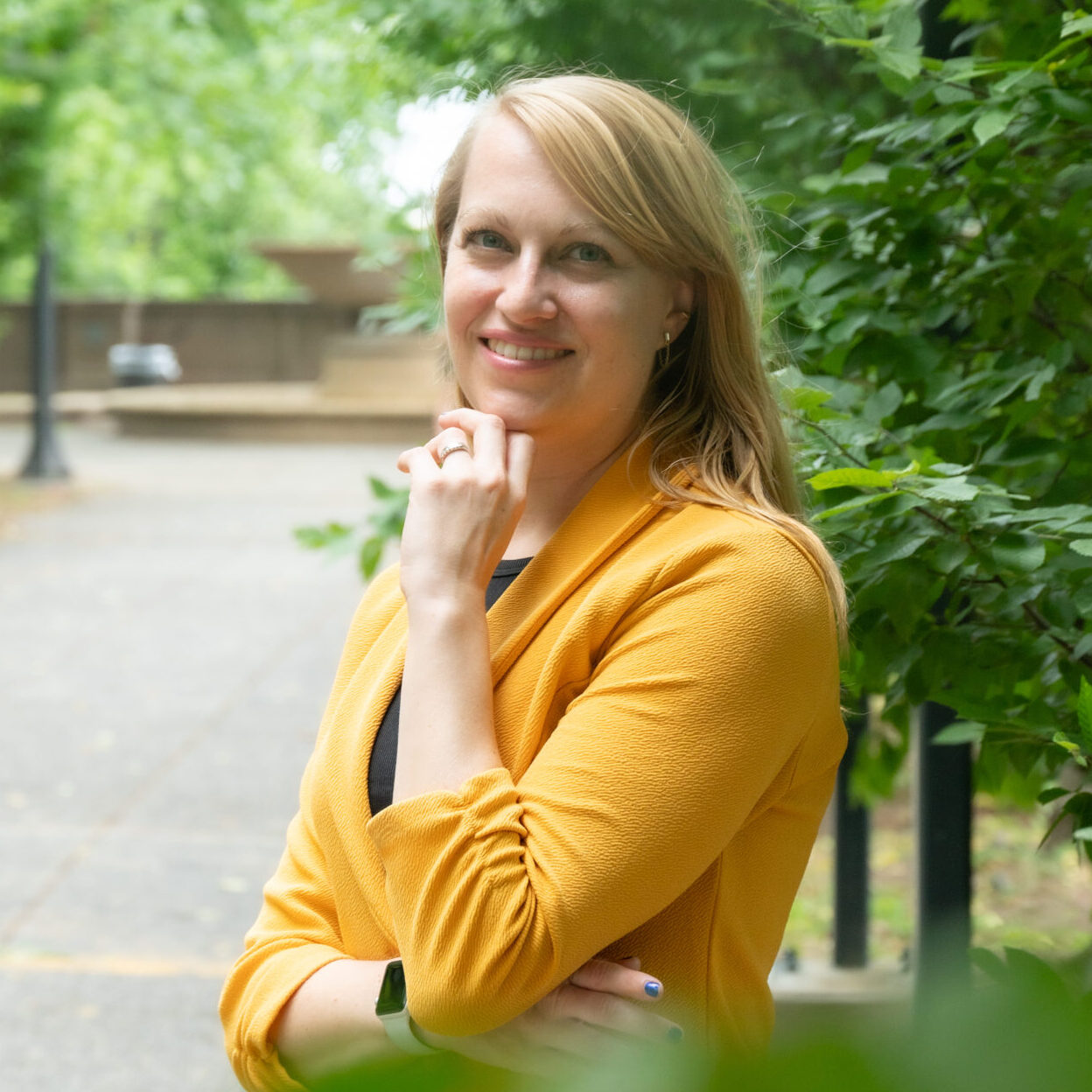
Stephanie Rolin | MD, MPH
Assistant Professor of Psychology | Columbia University
Research Interest: Health Inequities, Mass Incarceration & Mental Illness, Interventions to Reduce the Risk of Violence for People with Psychosis
Research Summary: Stephanie Rolin is a forensic psychiatrist and researcher at Columbia University. She graduated from Dartmouth with an MD and MPH. Dr. Rolin completed her residency in psychiatry and fellowship in forensic psychiatry at Columbia University. She is passionate about addressing health inequities, with a focus on the public health crisis of mass incarceration of people with mental illnesses. She is mentored by Drs. Paul Appelbaum and Lisa Dixon about developing and testing interventions to reduce the risk of violence for people with psychosis. Her research has won multiple awards and she has been supported by grants from the National Institutes of Mental Health and the New York State Office of Mental Health.
Research Summary: Stephanie Rolin is a forensic psychiatrist and researcher at Columbia University. She graduated from Dartmouth with an MD and MPH. Dr. Rolin completed her residency in psychiatry and fellowship in forensic psychiatry at Columbia University. She is passionate about addressing health inequities, with a focus on the public health crisis of mass incarceration of people with mental illnesses. She is mentored by Drs. Paul Appelbaum and Lisa Dixon about developing and testing interventions to reduce the risk of violence for people with psychosis. Her research has won multiple awards and she has been supported by grants from the National Institutes of Mental Health and the New York State Office of Mental Health.
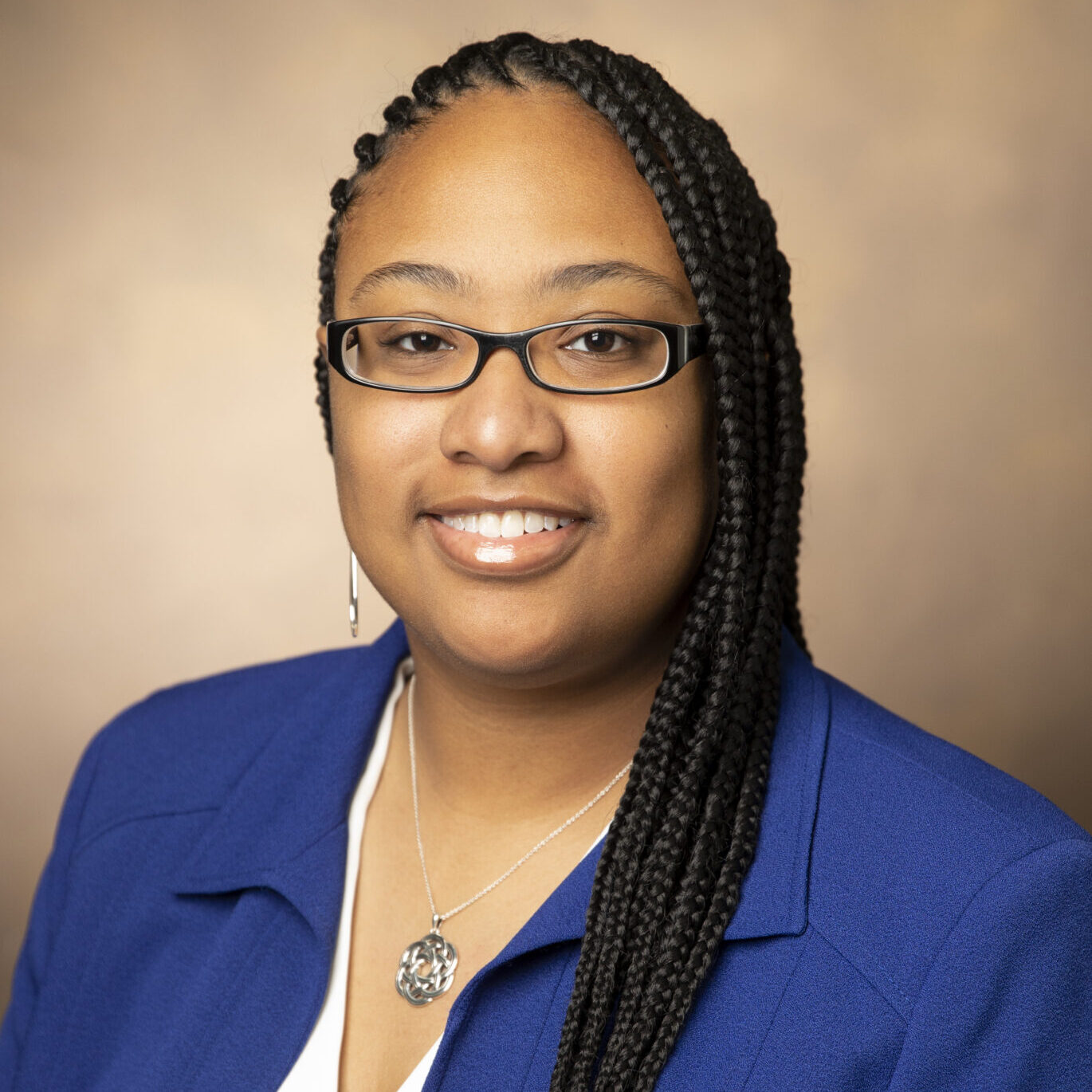
Debra Dixon | MD, MS
Assistant Professor | Vanderbilt University Medical Center
Research Interest: The intersection of cardiovascular health and mental health, health disparities, mHealth interventions, implementation science
Research Summary: Dr. Debra Dixon is a physician-scientist and non-invasive cardiologist at Vanderbilt University Medical Center. Her research focuses on advancing the delivery of high-quality care for patients with hypertension and heart failure. She is interested in the use of mHealth interventions to promote cardiovascular health and psychological well-being.
Research Summary: Dr. Debra Dixon is a physician-scientist and non-invasive cardiologist at Vanderbilt University Medical Center. Her research focuses on advancing the delivery of high-quality care for patients with hypertension and heart failure. She is interested in the use of mHealth interventions to promote cardiovascular health and psychological well-being.
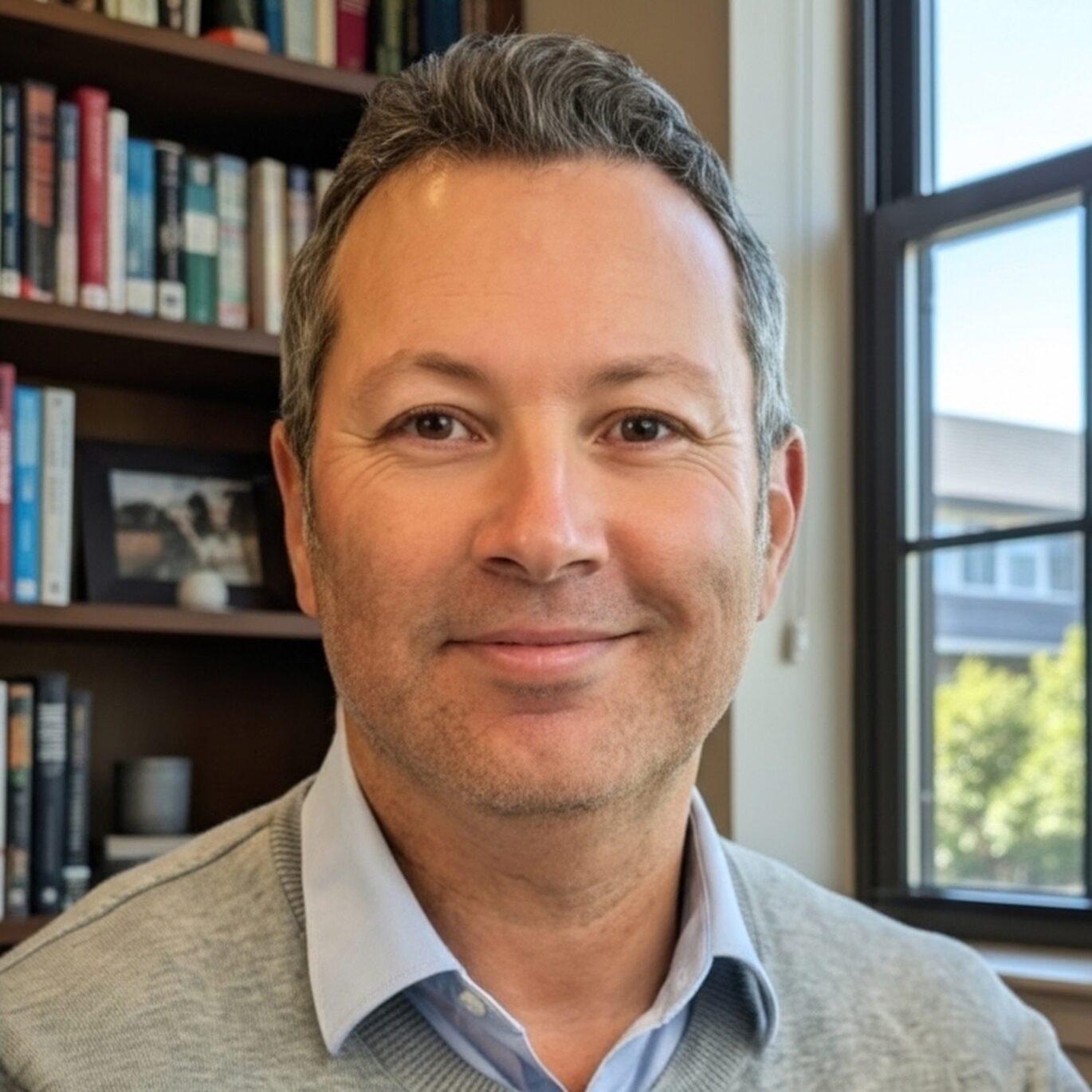
Kais Gadhoumi | PhD
Assistant Professor | Duke University
Research Interest: Artificial Intelligence & Predictive Analytics in Healthcare, Clinical Data Science, Biomedical Signal Processing, Digital Health, Clinical Decision Support
Research Summary: Dr. Gadhoumi is an Assistant Professor at Duke University School of Nursing whose work focuses on the application of artificial intelligence, machine learning, and advanced analytics to healthcare and biomedical data, integrating signal processing, predictive modeling, and large-scale data analytics to extract meaningful insights from complex clinical datasets; his research sits at the intersection of engineering, data science, and health science, with the goal of transforming diverse health data into actionable knowledge that can improve patient care and health system decision-making, leveraging multimodal health data, including electronic health records, physiological signals, mobile health and wearable sensor data, and social determinants of health, to better understand patient risk profiles and disease trajectories, and developing AI-driven tools that enable early risk identification, predictive analytics, and data-informed clinical decision support, informed by prior experience in the telecommunications industry contributing to large-scale industry-grade software systems and scalable data platforms, as well as co-founding Noze (formerly Stratuscent), which develops an odor perception platform and intelligent breath analysis technologies designed to detect disease-related biomarkers in human breath.
Research Summary: Dr. Gadhoumi is an Assistant Professor at Duke University School of Nursing whose work focuses on the application of artificial intelligence, machine learning, and advanced analytics to healthcare and biomedical data, integrating signal processing, predictive modeling, and large-scale data analytics to extract meaningful insights from complex clinical datasets; his research sits at the intersection of engineering, data science, and health science, with the goal of transforming diverse health data into actionable knowledge that can improve patient care and health system decision-making, leveraging multimodal health data, including electronic health records, physiological signals, mobile health and wearable sensor data, and social determinants of health, to better understand patient risk profiles and disease trajectories, and developing AI-driven tools that enable early risk identification, predictive analytics, and data-informed clinical decision support, informed by prior experience in the telecommunications industry contributing to large-scale industry-grade software systems and scalable data platforms, as well as co-founding Noze (formerly Stratuscent), which develops an odor perception platform and intelligent breath analysis technologies designed to detect disease-related biomarkers in human breath.
Karly Ingram |
Assistant Professor |
Research Interest:
Research Summary:
Research Summary:
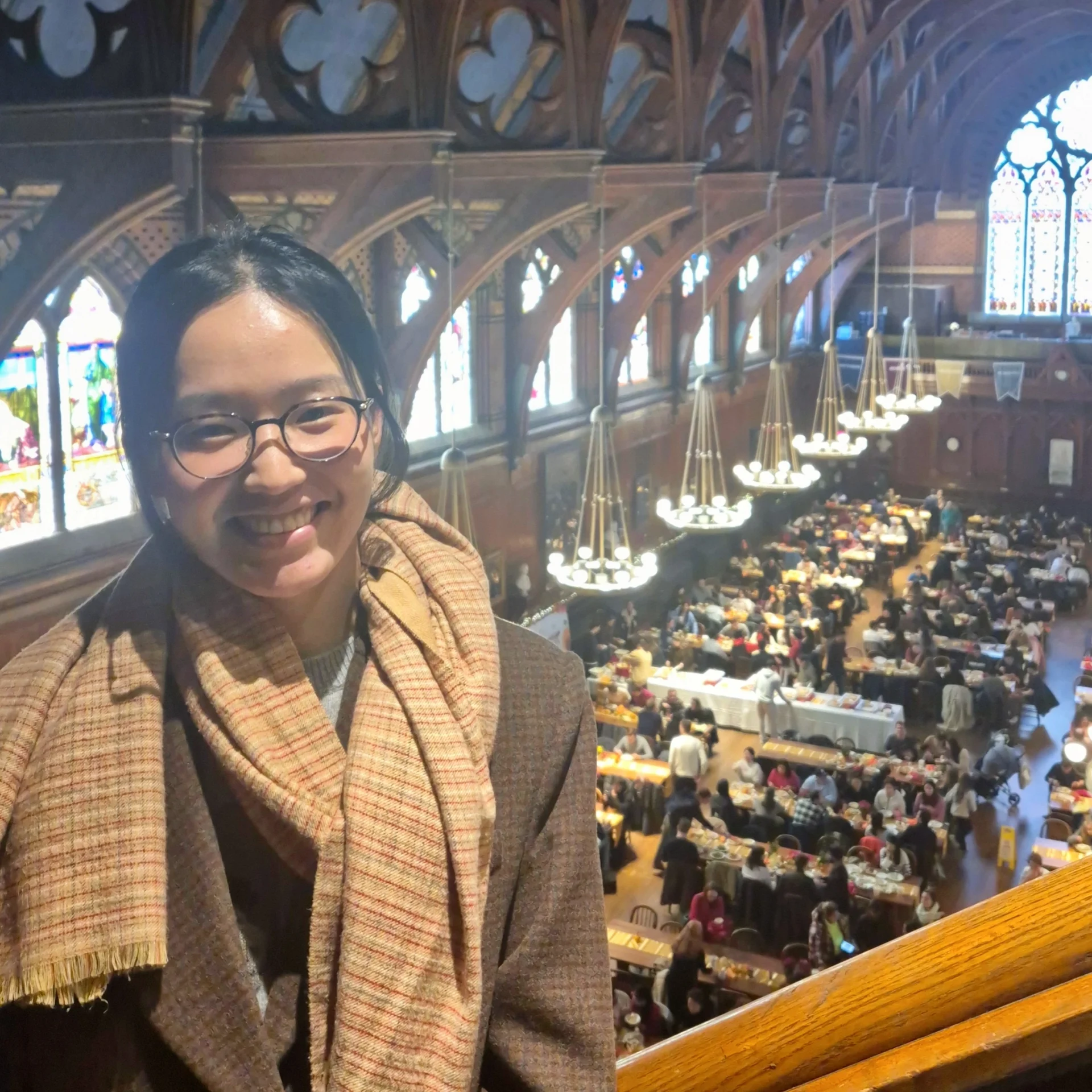
Xueqing Liu | PhD
Postdoctoral Researcher | Harvard University
Research Interest: mHealth, Reinforcement Learning, Causal Inference, Clinical Trials
Research Summary: My research sits at the intersection of reinforcement learning (RL) and causal inference, with a primary focus on mobile health (mHealth). I design online RL algorithms to deliver personalized digital interventions in real-world settings. Following study completion, I develop causal inference frameworks to evaluate treatment effects. Additionally, I am interested in designing 'warm-start' policies leveraging adaptively collected data. My work is highly interdisciplinary, involving close collaboration with behavioral scientists and experts in human-computer interaction. I also maintain broader interests in biostatistical methodology, including clinical trial design and diagnostic medicine.
Research Summary: My research sits at the intersection of reinforcement learning (RL) and causal inference, with a primary focus on mobile health (mHealth). I design online RL algorithms to deliver personalized digital interventions in real-world settings. Following study completion, I develop causal inference frameworks to evaluate treatment effects. Additionally, I am interested in designing 'warm-start' policies leveraging adaptively collected data. My work is highly interdisciplinary, involving close collaboration with behavioral scientists and experts in human-computer interaction. I also maintain broader interests in biostatistical methodology, including clinical trial design and diagnostic medicine.

Karey O'Hara | PhD
Associate Professor of Psychology | Arizona State University
Research Interest: Child and family mental health; prevention science; intervention design and optimization; family law and legal system involvement; digital and scalable interventions; resilience in children exposed to family stressors.
Research Summary: Dr. Karey O'Hara is a clinical psychologist and prevention scientist whose research focuses on understanding and promoting children’s mental health in the context of stressful family transitions, particularly parental separation, divorce, bereavement, and incarceration. Her work integrates principles from intervention science with developmental and clinical psychology to identify key risk and resilience processes, such as coping, threat appraisals, and parenting practices, that shape children’s adjustment. A central goal of her research is to translate basic science into actionable, scalable interventions that can be implemented within real-world systems, such as family courts, by designing, optimizing, and evaluating digital tools to support children and parents navigating family stress and change. Using frameworks such as the Multiphase Optimization Strategy (MOST) and human-centered design (HCD), her work emphasizes usability, accessibility, and sustained impact. She collaborates closely with legal professionals, community partners, and other scientists to ensure that interventions are evidence-based and responsive to the needs of the populations they serve, ultimately aiming to leverage existing service delivery systems as a context for prevention and advance policies, programs, and practices that protect children’s well-being and promote resilience at scale.
Research Summary: Dr. Karey O'Hara is a clinical psychologist and prevention scientist whose research focuses on understanding and promoting children’s mental health in the context of stressful family transitions, particularly parental separation, divorce, bereavement, and incarceration. Her work integrates principles from intervention science with developmental and clinical psychology to identify key risk and resilience processes, such as coping, threat appraisals, and parenting practices, that shape children’s adjustment. A central goal of her research is to translate basic science into actionable, scalable interventions that can be implemented within real-world systems, such as family courts, by designing, optimizing, and evaluating digital tools to support children and parents navigating family stress and change. Using frameworks such as the Multiphase Optimization Strategy (MOST) and human-centered design (HCD), her work emphasizes usability, accessibility, and sustained impact. She collaborates closely with legal professionals, community partners, and other scientists to ensure that interventions are evidence-based and responsive to the needs of the populations they serve, ultimately aiming to leverage existing service delivery systems as a context for prevention and advance policies, programs, and practices that protect children’s well-being and promote resilience at scale.
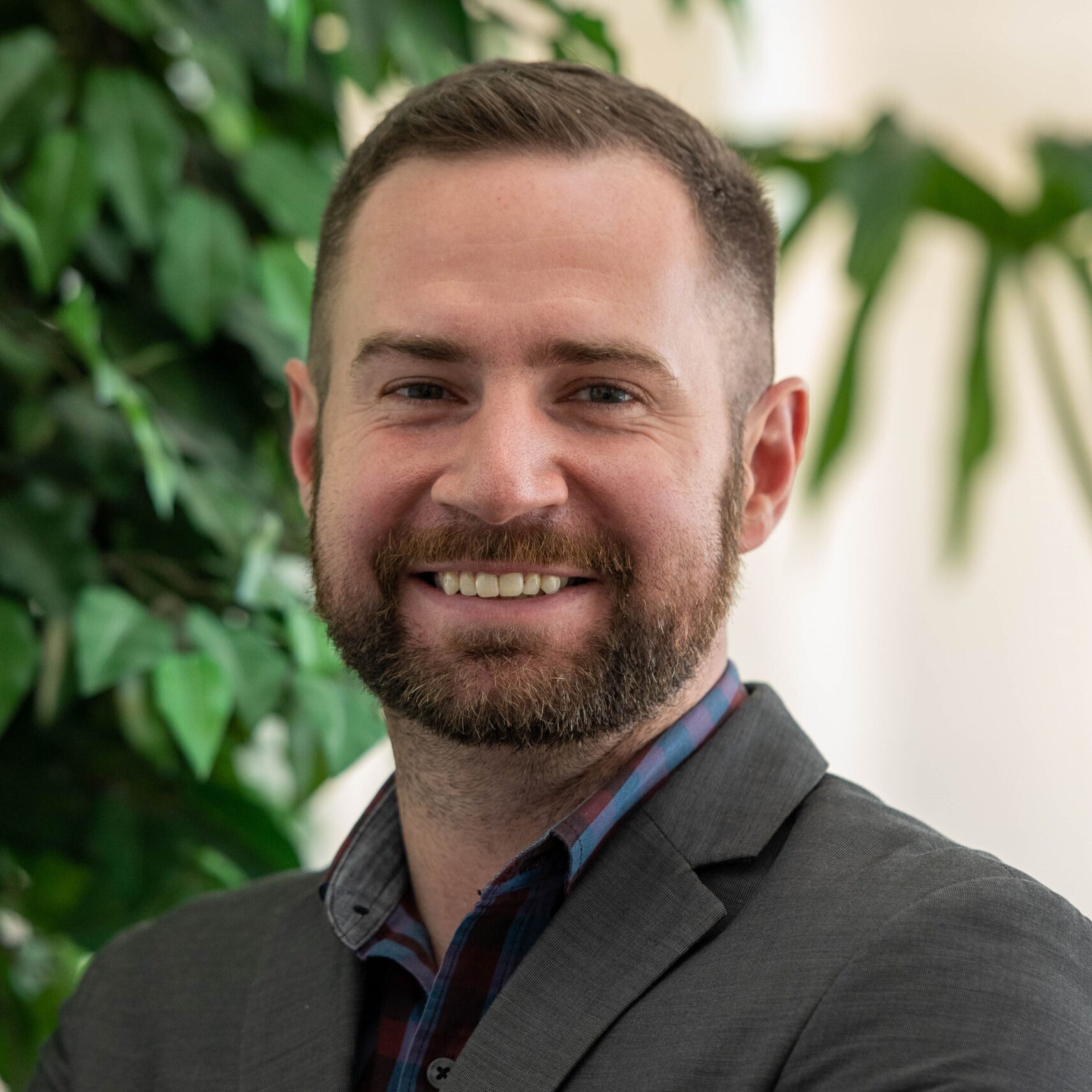
Tyler Prochnow | PhD
Assistant Professor | Texas A&M School of Public Health
Research Interest: Physical Activity, Social Connection, Mental Health, Social network analysis, mHealth, Ecological Momentary Assessment, Community Engaged Research, Adolescent Health
Research Summary:Tyler Prochnow, PhD is an Assistant Professor in the Department of Health Behavior at the Texas A&M University School of Public Health. His work seeks to explore how health outcomes shape and are shaped by social connection and community design. His current research projects aim to untangle the influences of the built and social environment on mental health and physical activity among youth specifically in out-of-school settings like summer and school breaks.
Research Summary:Tyler Prochnow, PhD is an Assistant Professor in the Department of Health Behavior at the Texas A&M University School of Public Health. His work seeks to explore how health outcomes shape and are shaped by social connection and community design. His current research projects aim to untangle the influences of the built and social environment on mental health and physical activity among youth specifically in out-of-school settings like summer and school breaks.

Larissa McGarrity | PhD
Associate Professor, Section Chief | The University of Utah
Research Interest: Intervention Development, Psychological Health, Risk and Resilience, Severe Obesity, Bariatric Surgery, Weight Management
Research Summary: I am a clinical health psychologist with research expertise in psychosocial health among patients with severe obesity, especially in the bariatric surgery and medical weight management context. I am particularly passionate about broadening the focus in this field from the near-exclusive study of pathology and risk factors toward the study of resilience and patient and family strengths that can be channeled into effective and accessible interventions for this highly stigmatized population. My current K12 award project is a pilot randomized controlled trial testing feasibility, acceptability, and proof-of-concept of ReConnect (Reimagining Us in the Context of Bariatric Surgery), a remotely-delivered dyadic positive psychology intervention I developed for post-bariatric surgery patients and their romantic partners. An additional pilot-funded line of research focuses on psychological and behavioral responses to genetic testing for contributors to severe obesity in the weight management clinic setting.
Research Summary: I am a clinical health psychologist with research expertise in psychosocial health among patients with severe obesity, especially in the bariatric surgery and medical weight management context. I am particularly passionate about broadening the focus in this field from the near-exclusive study of pathology and risk factors toward the study of resilience and patient and family strengths that can be channeled into effective and accessible interventions for this highly stigmatized population. My current K12 award project is a pilot randomized controlled trial testing feasibility, acceptability, and proof-of-concept of ReConnect (Reimagining Us in the Context of Bariatric Surgery), a remotely-delivered dyadic positive psychology intervention I developed for post-bariatric surgery patients and their romantic partners. An additional pilot-funded line of research focuses on psychological and behavioral responses to genetic testing for contributors to severe obesity in the weight management clinic setting.

Jacqueline Seiglie | MD
Assistant Professor | MASS General Hospital & Harvard University
Research Interest: Type 2 Diabetes Epidemiology in Latin America, Development of Digital Health Tools to Improve Diabetes Self-Management among Latino Adults
Research Summary: Dr. Seiglie is an Assistant Professor of Medicine at Harvard Medical School and a practicing endocrinologist and diabetologist at Massachusetts General Hospital. She received her medical degree from Harvard Medical School and completed both her internal medicine residency and fellowship training in endocrinology, diabetes and metabolism at Massachusetts General Hospital. Dr. Seiglie's research focuses on the epidemiology of type 2 diabetes in Latin America and on the development of scalable interventions that can improve diabetes self-care among Latino adults. Born and raised in Santiago, Chile, she has had a long-standing interest in working to improve diabetes care for Latino adults through clinical care and research.
Research Summary: Dr. Seiglie is an Assistant Professor of Medicine at Harvard Medical School and a practicing endocrinologist and diabetologist at Massachusetts General Hospital. She received her medical degree from Harvard Medical School and completed both her internal medicine residency and fellowship training in endocrinology, diabetes and metabolism at Massachusetts General Hospital. Dr. Seiglie's research focuses on the epidemiology of type 2 diabetes in Latin America and on the development of scalable interventions that can improve diabetes self-care among Latino adults. Born and raised in Santiago, Chile, she has had a long-standing interest in working to improve diabetes care for Latino adults through clinical care and research.
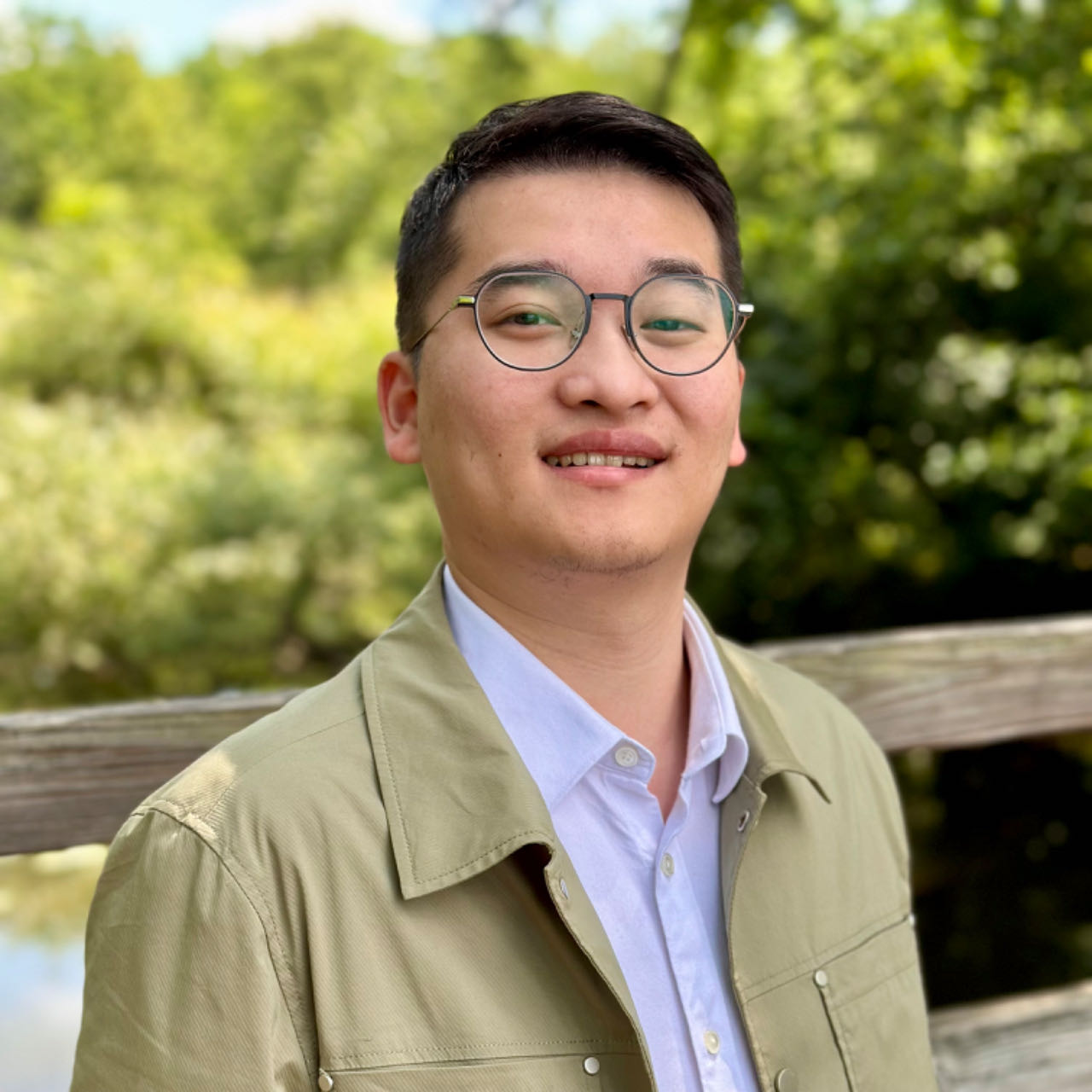
Ziping Xu | PhD
Postdoctoral Researcher | Harvard University
Research Interest: Reinforcement Learning for Mobile Health, Machine Learning
Research Summary: My primary research interests lie in machine learning and artificial intelligence, with a particular focus on Reinforcement Learning (RL) and their application to digital interventions, especially in the health domain. I develop machine learning theories addressing key challenges in mobile health applications such as transfer learning, sample-efficient algorithms design in RL, and statistical inference for adaptively collected data. I am also actively involved in interdisciplinary collaborations, working closely with domain experts on the implementation of Reinforcement Learning for adaptive intervention deliveries in real mobile health clinical trials.
Research Summary: My primary research interests lie in machine learning and artificial intelligence, with a particular focus on Reinforcement Learning (RL) and their application to digital interventions, especially in the health domain. I develop machine learning theories addressing key challenges in mobile health applications such as transfer learning, sample-efficient algorithms design in RL, and statistical inference for adaptively collected data. I am also actively involved in interdisciplinary collaborations, working closely with domain experts on the implementation of Reinforcement Learning for adaptive intervention deliveries in real mobile health clinical trials.
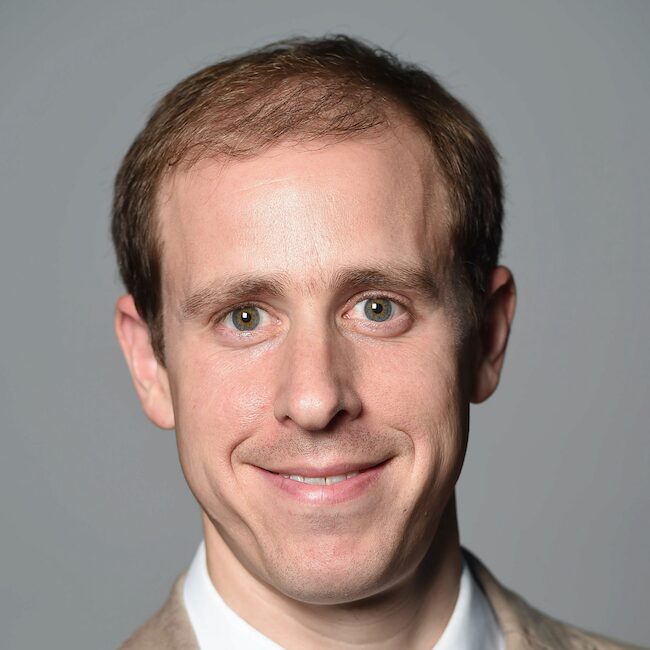
Justin White | PhD
Associate Professor | Boston University of Public Health
Research Interest: Smoking Cessation, mHealth, Behavior Change, Health Economics, Behavioral Economics, Public Policy
Research Summary: I study the effects of behavioral interventions and public policies on risk factors for chronic disease in underserved populations. I am particularly interested in behavioral strategies to promote smoking cessation, informed by my training in behavioral economics. I draw on a variety of methodological approaches, including randomized interventional trials and quasi-experimental econometric techniques applied to large data sets. I am interested in developing smartphone-delivered adaptive interventions for smoking cessation.
Research Summary: I study the effects of behavioral interventions and public policies on risk factors for chronic disease in underserved populations. I am particularly interested in behavioral strategies to promote smoking cessation, informed by my training in behavioral economics. I draw on a variety of methodological approaches, including randomized interventional trials and quasi-experimental econometric techniques applied to large data sets. I am interested in developing smartphone-delivered adaptive interventions for smoking cessation.
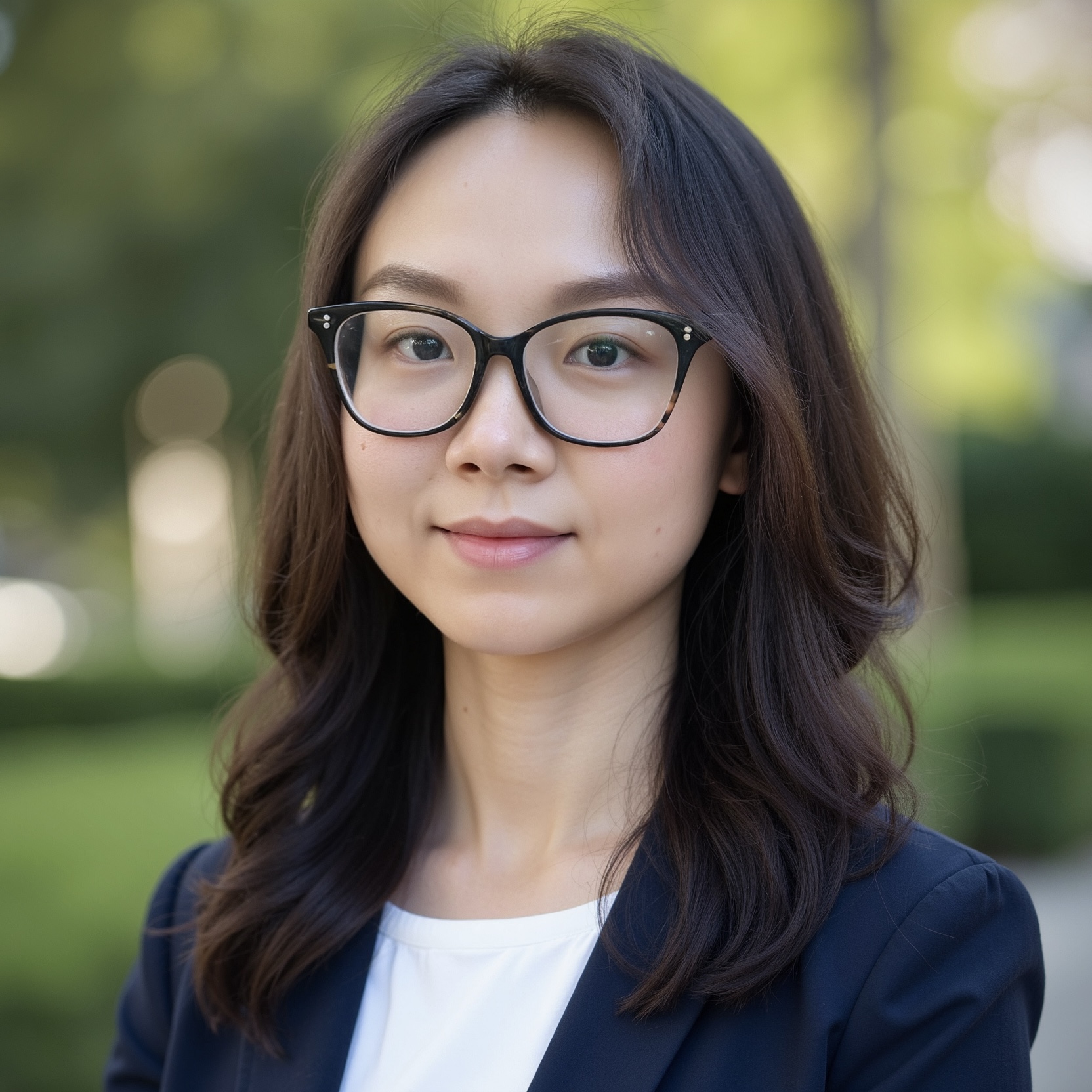
Yiwen Dong | PhD
Assistant Professor | University of Illinois Urbana-Champaign
Research Interest: ubiquitous computing, smart built environment, digital phenotyping, behavior sensing, digital human model.
Research Summary: Dr. Yiwen Dong (she/her) is an assistant professor at the Department of Industrial and Enterprise Systems Engineering (ISE) at the University of Illinois Urbana-Champaign, directing the Ubiquitous Health Intelligence (UbiHealth) Lab. Her research aims to empower physical spaces to sense, infer, and react to human health and well-being through the development of ambient intelligence and human-centered AI. She pioneered the development of human gait and motion analysis through ambient building vibrations by integrating gait biomechanics with structural dynamics, leading to successful tracking of Muscular Dystrophy, Cerebral Palsy, and Multiple Sclerosis in collaboration with multiple healthcare providers. Her current work focuses on ambient assistive living for older adults for early detection and long-term in-home support of cognitive (e.g., MCI, ADRD) and mobility declines (e.g., falls, ADL/iADL), aiming to create non-intrusive, human-centered health intelligence for next-generation personalized and preventative care.
Research Summary: Dr. Yiwen Dong (she/her) is an assistant professor at the Department of Industrial and Enterprise Systems Engineering (ISE) at the University of Illinois Urbana-Champaign, directing the Ubiquitous Health Intelligence (UbiHealth) Lab. Her research aims to empower physical spaces to sense, infer, and react to human health and well-being through the development of ambient intelligence and human-centered AI. She pioneered the development of human gait and motion analysis through ambient building vibrations by integrating gait biomechanics with structural dynamics, leading to successful tracking of Muscular Dystrophy, Cerebral Palsy, and Multiple Sclerosis in collaboration with multiple healthcare providers. Her current work focuses on ambient assistive living for older adults for early detection and long-term in-home support of cognitive (e.g., MCI, ADRD) and mobility declines (e.g., falls, ADL/iADL), aiming to create non-intrusive, human-centered health intelligence for next-generation personalized and preventative care.
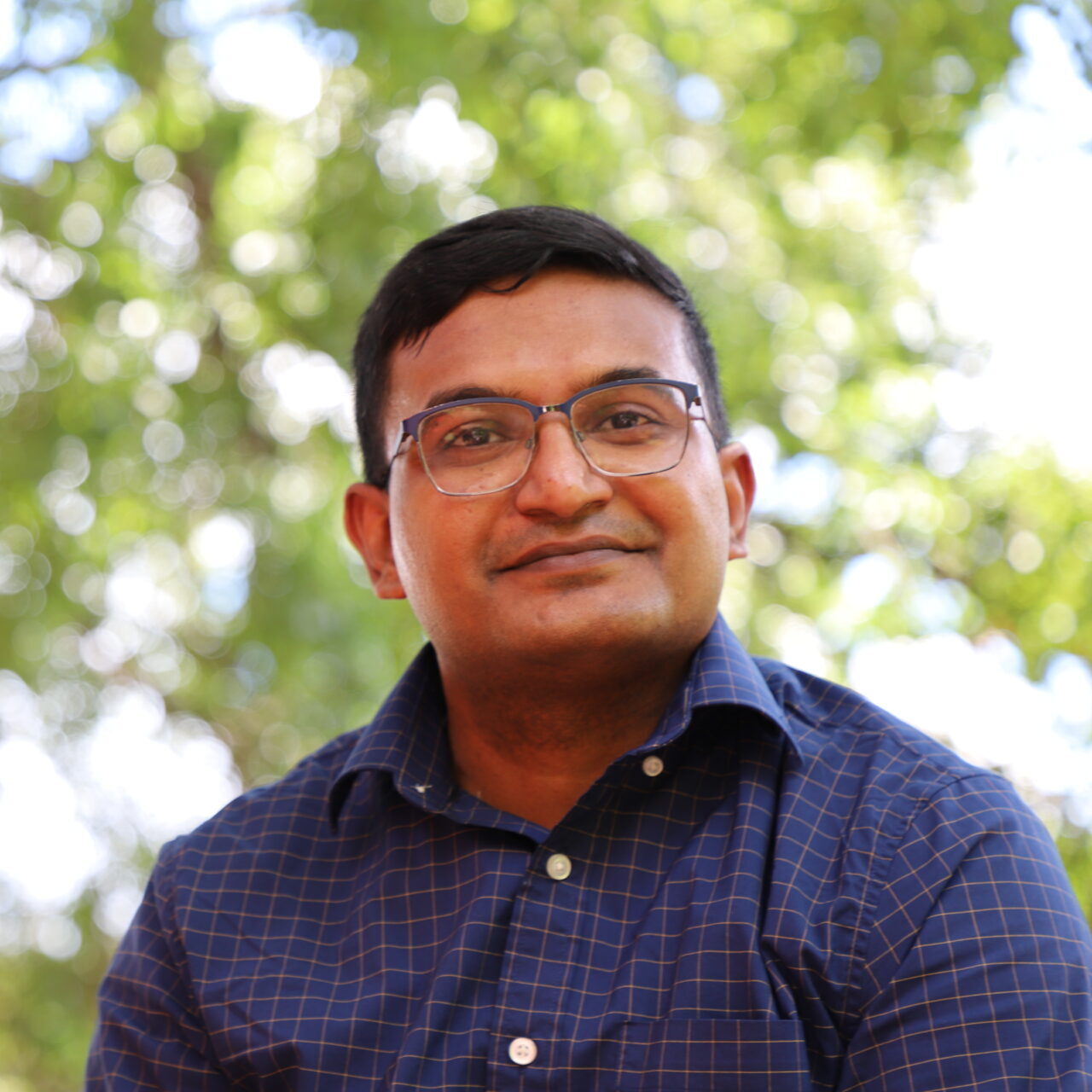
Mohammad Rifat Haider | PhD
Assistant Professor | University of Connecticut
Research Interest: mHealth, Behavioral Intervention Development, Just-in-Time Adaptive Interventions, Machine Learning and AI, Advanced Quantitative Methods, Health Inequities, Underserved Populations, HIV, Substance Use, Global Health
Research Summary: is a health services researcher and tenure-track Assistant Professor at the University of Georgia whose work focuses on optimizing HIV prevention, harm reduction, and care engagement among underserved populations, like people who inject drugs, African American women, and people experiencing homelessness, particularly in rural communities across the Deep South; his research examines the intersection of substance use, HIV, and structural barriers to care among marginalized rural populations and develops and evaluates culturally responsive, trauma-informed, and resilience-based interventions designed to address stigma, mental health challenges, sexual trauma, and overdose risk that impede engagement in evidence-based HIV prevention and treatment, while also exploring psychosocial determinants of resilience among people living with HIV and age- and sex-based disparities in trauma exposure, depressive symptoms, and antiretroviral therapy adherence; methodologically, he integrates advanced statistical techniques, machine learning, and community-engaged research to design data-driven, just-in-time adaptive interventions, including NIH-funded research developing trauma-informed telehealth strategies to improve PrEP uptake and hepatitis C care and treatment and innovative AI-enabled chatbot platforms that deliver just-in-time harm reduction and overdose prevention messaging using micro-randomized trial methods, with the long-term goal to reduce HIV transmission, overdose, and substance use–related health disparities among PWID and other underserved populations in rural Southern communities by advancing scalable, technology-enabled interventions that address trauma, stigma, and structural inequities in care access.
Research Summary: is a health services researcher and tenure-track Assistant Professor at the University of Georgia whose work focuses on optimizing HIV prevention, harm reduction, and care engagement among underserved populations, like people who inject drugs, African American women, and people experiencing homelessness, particularly in rural communities across the Deep South; his research examines the intersection of substance use, HIV, and structural barriers to care among marginalized rural populations and develops and evaluates culturally responsive, trauma-informed, and resilience-based interventions designed to address stigma, mental health challenges, sexual trauma, and overdose risk that impede engagement in evidence-based HIV prevention and treatment, while also exploring psychosocial determinants of resilience among people living with HIV and age- and sex-based disparities in trauma exposure, depressive symptoms, and antiretroviral therapy adherence; methodologically, he integrates advanced statistical techniques, machine learning, and community-engaged research to design data-driven, just-in-time adaptive interventions, including NIH-funded research developing trauma-informed telehealth strategies to improve PrEP uptake and hepatitis C care and treatment and innovative AI-enabled chatbot platforms that deliver just-in-time harm reduction and overdose prevention messaging using micro-randomized trial methods, with the long-term goal to reduce HIV transmission, overdose, and substance use–related health disparities among PWID and other underserved populations in rural Southern communities by advancing scalable, technology-enabled interventions that address trauma, stigma, and structural inequities in care access.

Sijie Ji | PhD
Schmidt Science Fellow - Postdoctoral Researcher | California Institute of Technology
Research Interest: Mobile Health, Wearable Computing
Research Summary: Dr. Sijie Ji’s research focuses on developing Physical AI for human-centered cyber-physical systems. Her work addresses the fundamental challenge of dependable latent state inference—specifically, how intelligent systems can decode complex human physiological and behavioral patterns from sparse, heterogeneous, and noisy multi-modal data. By integrating resource-efficient deep learning with system-level constraints, her research bridges the gap between theoretical algorithmic robustness and the practical limitations of mobile, wearable, and wireless platforms. Dr. Ji’s ultimate goal is to move healthcare beyond the clinic, creating closed-loop systems that provide continuous, proactive support in uncontrolled daily environments.
Research Summary: Dr. Sijie Ji’s research focuses on developing Physical AI for human-centered cyber-physical systems. Her work addresses the fundamental challenge of dependable latent state inference—specifically, how intelligent systems can decode complex human physiological and behavioral patterns from sparse, heterogeneous, and noisy multi-modal data. By integrating resource-efficient deep learning with system-level constraints, her research bridges the gap between theoretical algorithmic robustness and the practical limitations of mobile, wearable, and wireless platforms. Dr. Ji’s ultimate goal is to move healthcare beyond the clinic, creating closed-loop systems that provide continuous, proactive support in uncontrolled daily environments.

Sisi Ma | MS, PhD
Associate Professor | University of Minnesota
Research Interest: predictive modeling and causal discovery methods and their applications in medicine
Research Summary: Dr. Sisi Ma is an Associate Professor at the University of Minnesota whose research sits at the intersection of predictive modeling and computational causal discovery. Her work focuses on leveraging advanced AI methods to improve human health. Specifically, Dr. Ma’s research program is dedicated to: (1) developing novel algorithms tailored to the unique complexities of biomedical data; (2) benchmarking these methods to ensure robustness and reliability; and (3) leveraging high-dimensional, multimodality data—including Electronic Health Records (EHR) and omics data—to identify critical factors in the progression of complex pathologies, such as age-related diseases, metabolic disorders, mental health disorders, and various cancers. Her ultimate goal is to translate data-driven discoveries into diagnostic technologies and targeted therapeutic strategies.
Research Summary: Dr. Sisi Ma is an Associate Professor at the University of Minnesota whose research sits at the intersection of predictive modeling and computational causal discovery. Her work focuses on leveraging advanced AI methods to improve human health. Specifically, Dr. Ma’s research program is dedicated to: (1) developing novel algorithms tailored to the unique complexities of biomedical data; (2) benchmarking these methods to ensure robustness and reliability; and (3) leveraging high-dimensional, multimodality data—including Electronic Health Records (EHR) and omics data—to identify critical factors in the progression of complex pathologies, such as age-related diseases, metabolic disorders, mental health disorders, and various cancers. Her ultimate goal is to translate data-driven discoveries into diagnostic technologies and targeted therapeutic strategies.
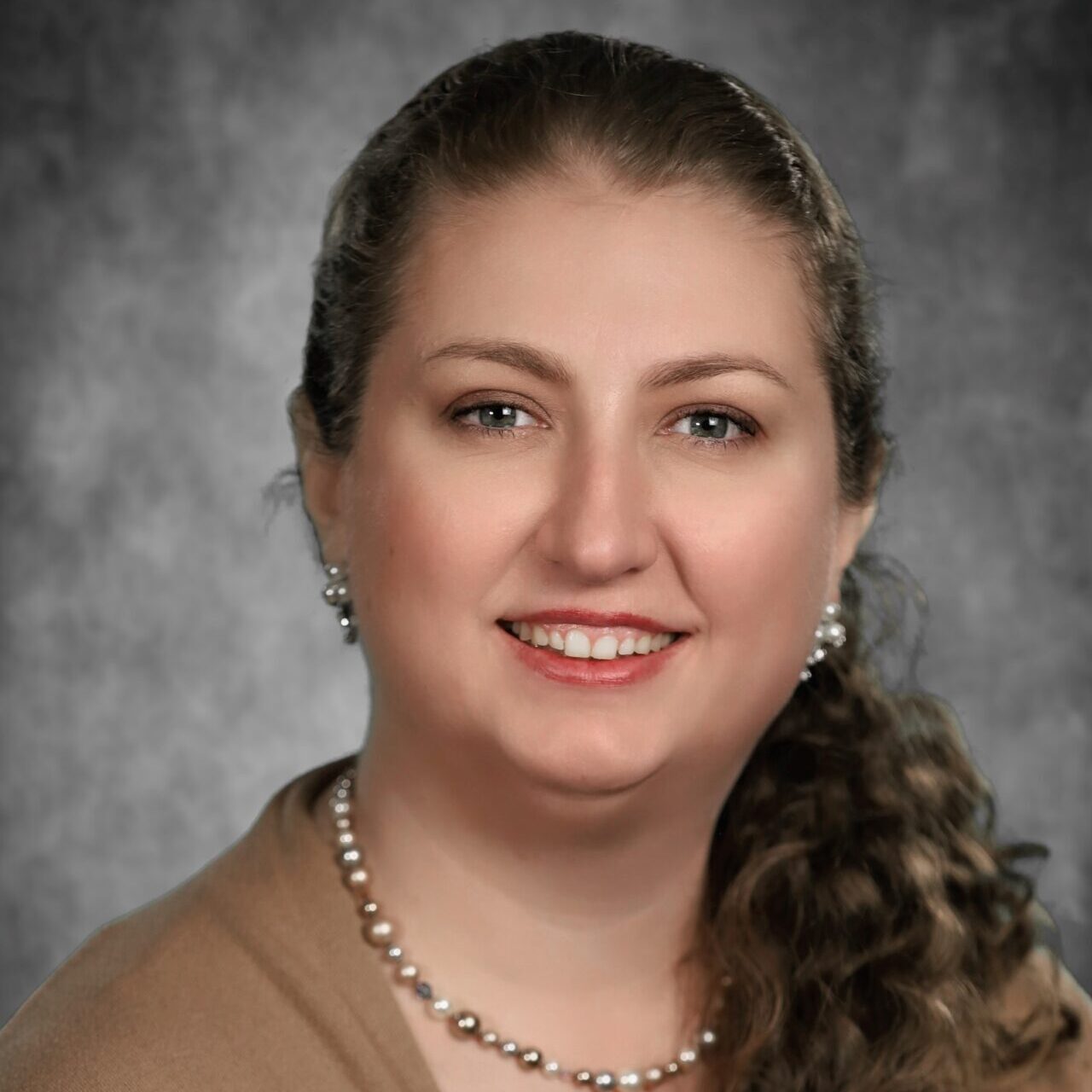
Darina Petrovsky | PhD, RN, MN
Associate Professor & Elizabeth C. Clipp Term Chair of Nursing | Duke University
Research Interest: Music-based interventions; cognitive aging; dementia care; prevention of cognitive decline; caregiver well-being, aging and technology
Research Summary:Darina Petrovsky, PhD, RN, MN, is an Associate Professor and the Elizabeth C. Clipp Term Chair of Nursing at the Duke University School of Nursing. Prior to joining Duke in Winter 2024, she served as a tenure-track Assistant Professor at the Rutgers University School of Nursing. She previously completed a Postdoctoral Research Fellowship at the University of Pennsylvania School of Nursing, supported by the Ruth L. Kirschstein National Research Service Award (NRSA) Individual Fellowship (F32 AG060630). Dr. Petrovsky earned her PhD in Nursing from the University of Pennsylvania in 2017, preceded by a Master of Nursing from Case Western Reserve University (2011) and a Bachelor of Musical Arts from the University of Michigan (2009). Her distinctive background in both music and nursing science shapes her research program, which focuses on improving the lives of older adults living with dementia through music-based approaches. Her additional research interests include advancing health equity for older adults with cognitive impairment and their caregivers, as well as examining how music may be used to prevent cognitive decline. She was previously a Ruth L. Kirschstein NRSA Pre-Doctoral Fellow (F31 AG055148) and has been recognized as a National Hartford Centers of Gerontological Nursing Excellence Patricia G. Archbold Scholar and a Jonas Nurse Leader Scholar.
Research Summary:Darina Petrovsky, PhD, RN, MN, is an Associate Professor and the Elizabeth C. Clipp Term Chair of Nursing at the Duke University School of Nursing. Prior to joining Duke in Winter 2024, she served as a tenure-track Assistant Professor at the Rutgers University School of Nursing. She previously completed a Postdoctoral Research Fellowship at the University of Pennsylvania School of Nursing, supported by the Ruth L. Kirschstein National Research Service Award (NRSA) Individual Fellowship (F32 AG060630). Dr. Petrovsky earned her PhD in Nursing from the University of Pennsylvania in 2017, preceded by a Master of Nursing from Case Western Reserve University (2011) and a Bachelor of Musical Arts from the University of Michigan (2009). Her distinctive background in both music and nursing science shapes her research program, which focuses on improving the lives of older adults living with dementia through music-based approaches. Her additional research interests include advancing health equity for older adults with cognitive impairment and their caregivers, as well as examining how music may be used to prevent cognitive decline. She was previously a Ruth L. Kirschstein NRSA Pre-Doctoral Fellow (F31 AG055148) and has been recognized as a National Hartford Centers of Gerontological Nursing Excellence Patricia G. Archbold Scholar and a Jonas Nurse Leader Scholar.
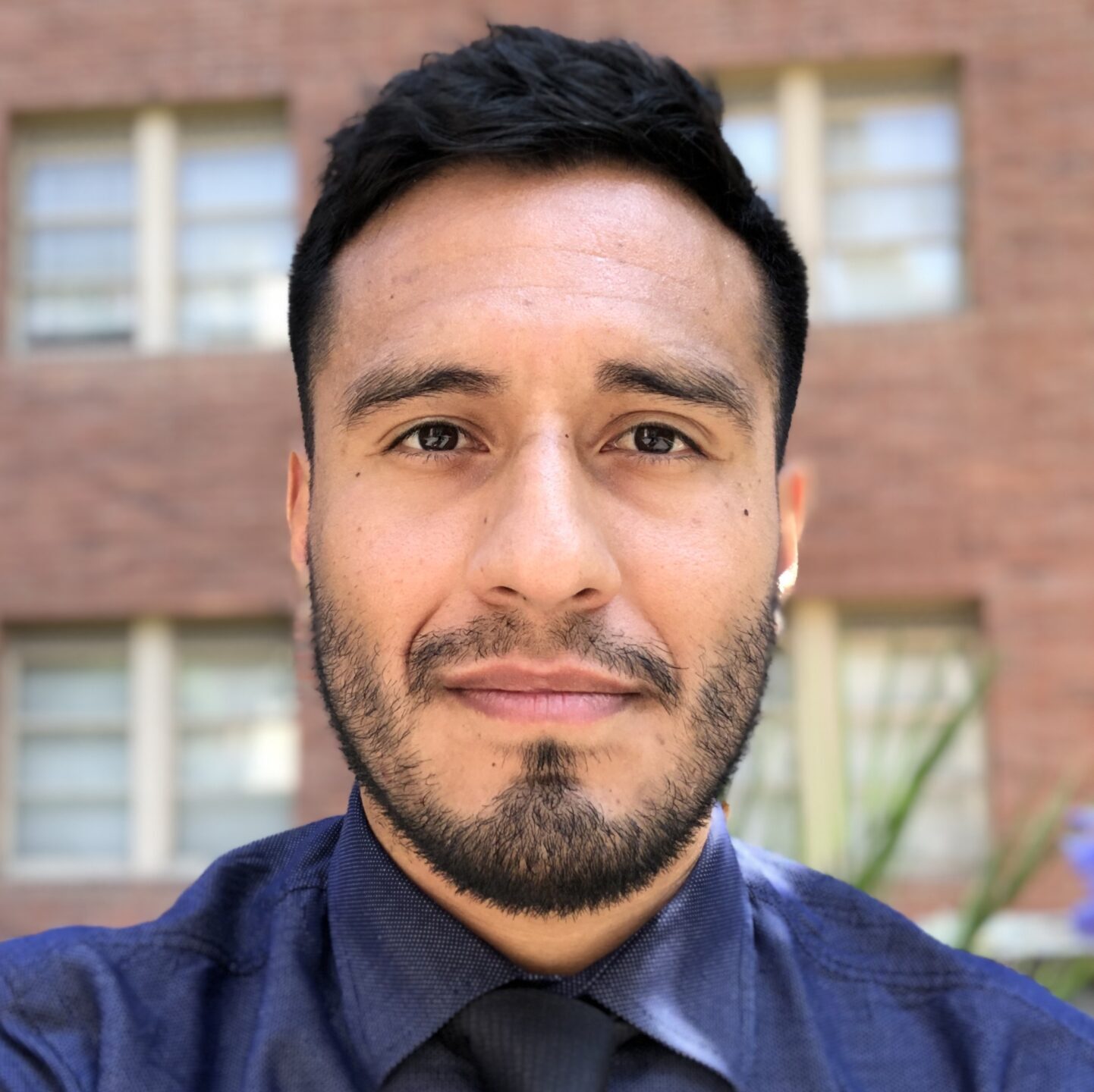
Giovanni Ramos | PhD
Assistant Professor of Computer Science | University of Iowa
Research Interest: Personal and Family informatics, Mobile Health, Human-Computer Interaction
Research Summary: I research how digital health tracking systems can be more accessible, collaborative, and useful for reflection and behavior regulation. I am interested in how multi-device and multimodal designs might reduce self-tracking burdens and support health management both individually and collaboratively within families and care networks. I use participatory methods to inform novel system designs and conduct real-world system deployments to evaluate mHealth interventions based on them. For example, I have developed and evaluated new smartwatch-based systems that help ADHD children's behavior regulation alongside parents and siblings. Overall, my goal is to advance health and wellbeing management by designing technologies for people's everyday life use, supporting their health goals, and enabling meaningful collaboration across their care networks.
Research Summary: I research how digital health tracking systems can be more accessible, collaborative, and useful for reflection and behavior regulation. I am interested in how multi-device and multimodal designs might reduce self-tracking burdens and support health management both individually and collaboratively within families and care networks. I use participatory methods to inform novel system designs and conduct real-world system deployments to evaluate mHealth interventions based on them. For example, I have developed and evaluated new smartwatch-based systems that help ADHD children's behavior regulation alongside parents and siblings. Overall, my goal is to advance health and wellbeing management by designing technologies for people's everyday life use, supporting their health goals, and enabling meaningful collaboration across their care networks.

Karen 'Chaelin' Ra | PhD
Assistant Research Professor | Rutgers Cancer Institute
Research Interest: Smoking Cessation, Sleep Health, mHealth, EMA, JITAI intervention
Research Summary: Dr. Ra was awarded a K99/R00 grant from the National Institute of Health (NIDA) in 2024. Her research focuses on developing mHealth interventions to optimize tobacco cessation by incorporating strategies to improve sleep health using sensors and smartphone apps. She is particularly interested in the promise of sleep intervention for behavior change to reduce health disparities in tobacco cessation.
Research Summary: Dr. Ra was awarded a K99/R00 grant from the National Institute of Health (NIDA) in 2024. Her research focuses on developing mHealth interventions to optimize tobacco cessation by incorporating strategies to improve sleep health using sensors and smartphone apps. She is particularly interested in the promise of sleep intervention for behavior change to reduce health disparities in tobacco cessation.
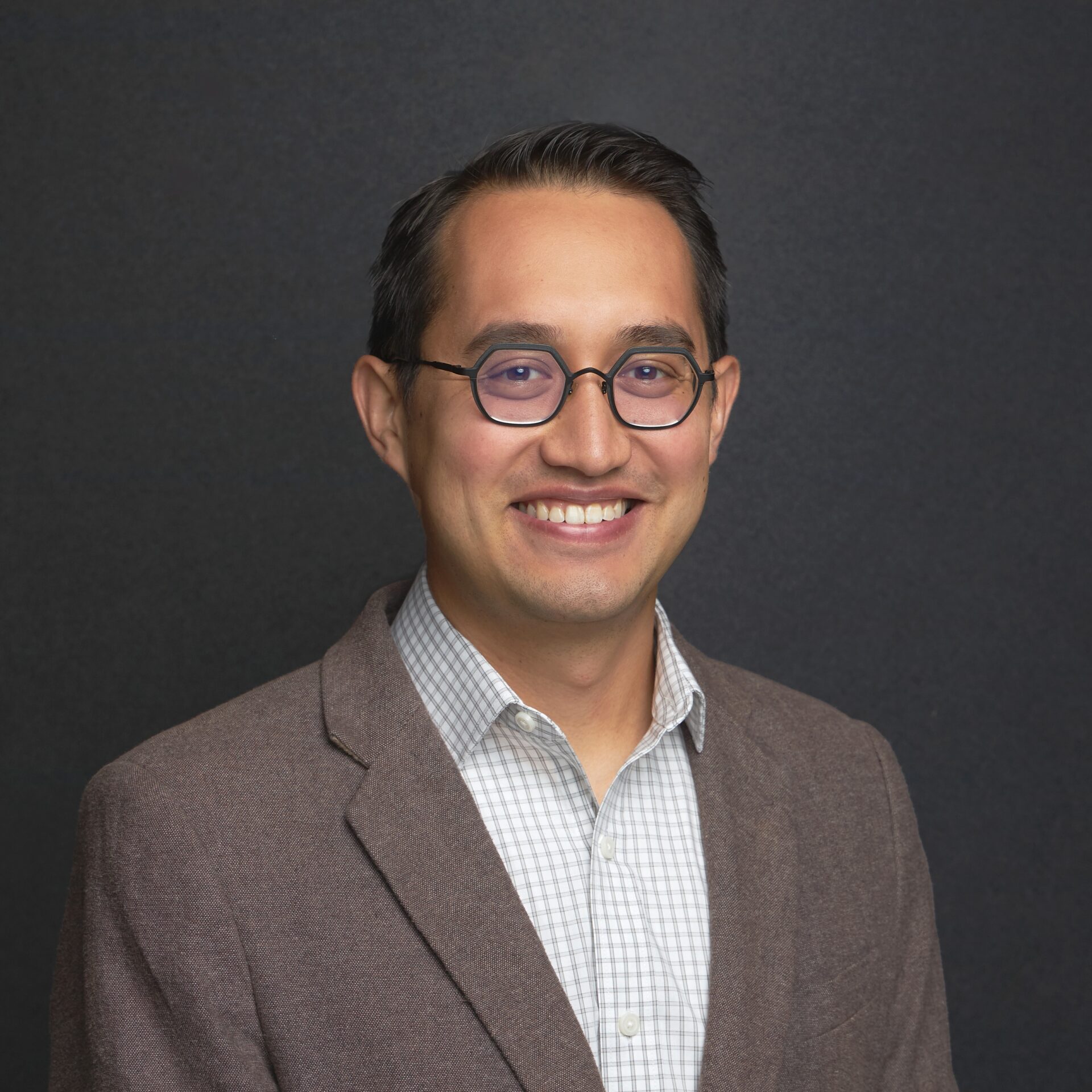
Bryan Ranger | PhD
Ferrante Family Assistant Professor | Boston College
Research Interest: Medical Devices and Instrumentation, Ultrasound, Imaging, Global Health, Digital Health, AI/Machine Learning, Sensing, mHealth, Human-Computer Interaction
Research Summary: My research focuses on the intersection of biomedical engineering, global health, and AI, with a particular emphasis on developing innovative imaging technologies to improve healthcare accessibility. Currently, I'm exploring AI-enabled mobile ultrasound systems for nutritional assessment, aiming to create portable, non-invasive tools that can help diagnose and manage malnutrition in underserved populations.
Research Summary: My research focuses on the intersection of biomedical engineering, global health, and AI, with a particular emphasis on developing innovative imaging technologies to improve healthcare accessibility. Currently, I'm exploring AI-enabled mobile ultrasound systems for nutritional assessment, aiming to create portable, non-invasive tools that can help diagnose and manage malnutrition in underserved populations.
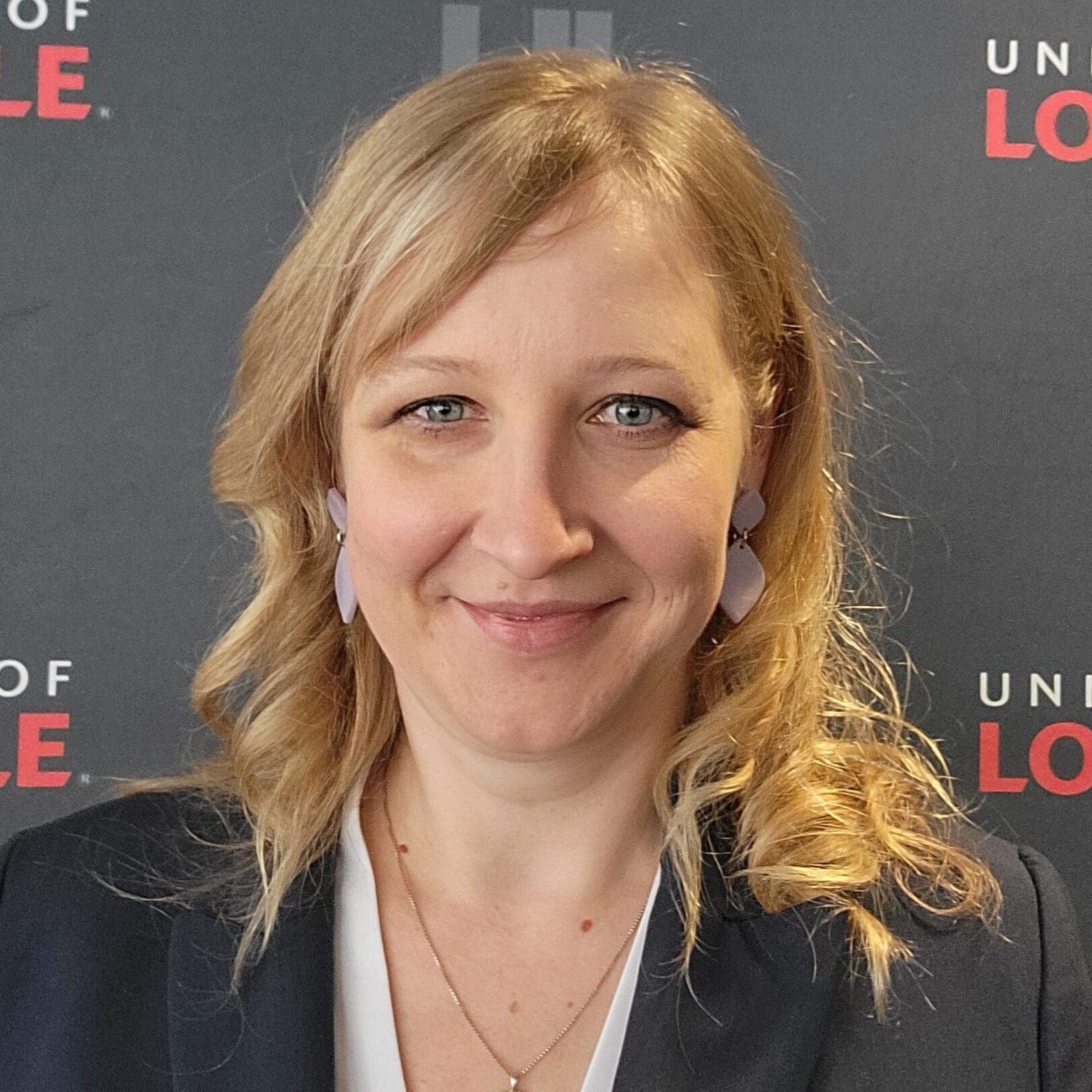
Irina Vanzhula | PhD
Assistant Research Professor | University of Louisville
Research Interest: Eating Disorders, mHealth, Treatment Development, Clinical Trials, Precision Medicine
Research Summary: I am a clinical psychologist passionate about advancing the field of eating disorder research. My research program is focused on using the advances in technology (e.g., idiographic methods, sensor data, machine learning, digital software) to inform the development and delivery of accessible interventions for eating disorders. I aim to 1) Understand psychological processes occurring during mealtimes in individuals with eating disorders, 2) Create effective and accessible mHealth mealtime interventions, and 3) Leverage novel research methodology and digital technology to personalize interventions for eating disorders and comorbid conditions based on individual symptom presentations.
Research Summary: I am a clinical psychologist passionate about advancing the field of eating disorder research. My research program is focused on using the advances in technology (e.g., idiographic methods, sensor data, machine learning, digital software) to inform the development and delivery of accessible interventions for eating disorders. I aim to 1) Understand psychological processes occurring during mealtimes in individuals with eating disorders, 2) Create effective and accessible mHealth mealtime interventions, and 3) Leverage novel research methodology and digital technology to personalize interventions for eating disorders and comorbid conditions based on individual symptom presentations.
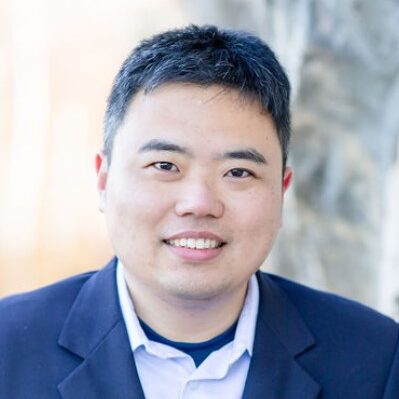
Chih-Hsiang 'Jason' Yang | PhD
Assistant Professor | University of South Carolina
Research Interest: Physical Activity, Sedentary Behavior, Aging, Real-Time Data Capturing Techniques
Research Summary: My research focuses on understanding the psychological, cognitive, social, and environmental factors that drive motivation and health behaviors in naturalistic contexts. I have extensive experience conducting human subjects research to examine everyday physical activity and sedentary behavior across the lifespan. Over time, I have developed broad expertise in motivation theories, behavior change techniques, assessment methodologies, research design, and mHealth approaches. My work aims to leverage these interdisciplinary perspectives to improve the accuracy of health behavior assessments and develop effective, context-sensitive interventions that promote long-term health outcomes and prevent chronic diseases.
Research Summary: My research focuses on understanding the psychological, cognitive, social, and environmental factors that drive motivation and health behaviors in naturalistic contexts. I have extensive experience conducting human subjects research to examine everyday physical activity and sedentary behavior across the lifespan. Over time, I have developed broad expertise in motivation theories, behavior change techniques, assessment methodologies, research design, and mHealth approaches. My work aims to leverage these interdisciplinary perspectives to improve the accuracy of health behavior assessments and develop effective, context-sensitive interventions that promote long-term health outcomes and prevent chronic diseases.