Training the Next Generation

2026 mHealth
Institute Program

Phase 1: Recruitment & Selection

8:00 am - 10:00 am PT
Applications Open

Immediately

Application Deadline

Tuesday, January 20, 2026

Review Period

January 21 – March 2, 2026

Notification of Acceptance

Tuesday, March 10, 2026

Scholar Acceptance Deadline

Friday, March 20, 2026

(10 day allocation for RSVPs)

Phase 2: The Virtual Core
(Synchronous Mondays)

Welcome e-Reception

8:00 am - 9:30 am PT
Scholar Introductions, Institute Workflow, and Expected Outcomes

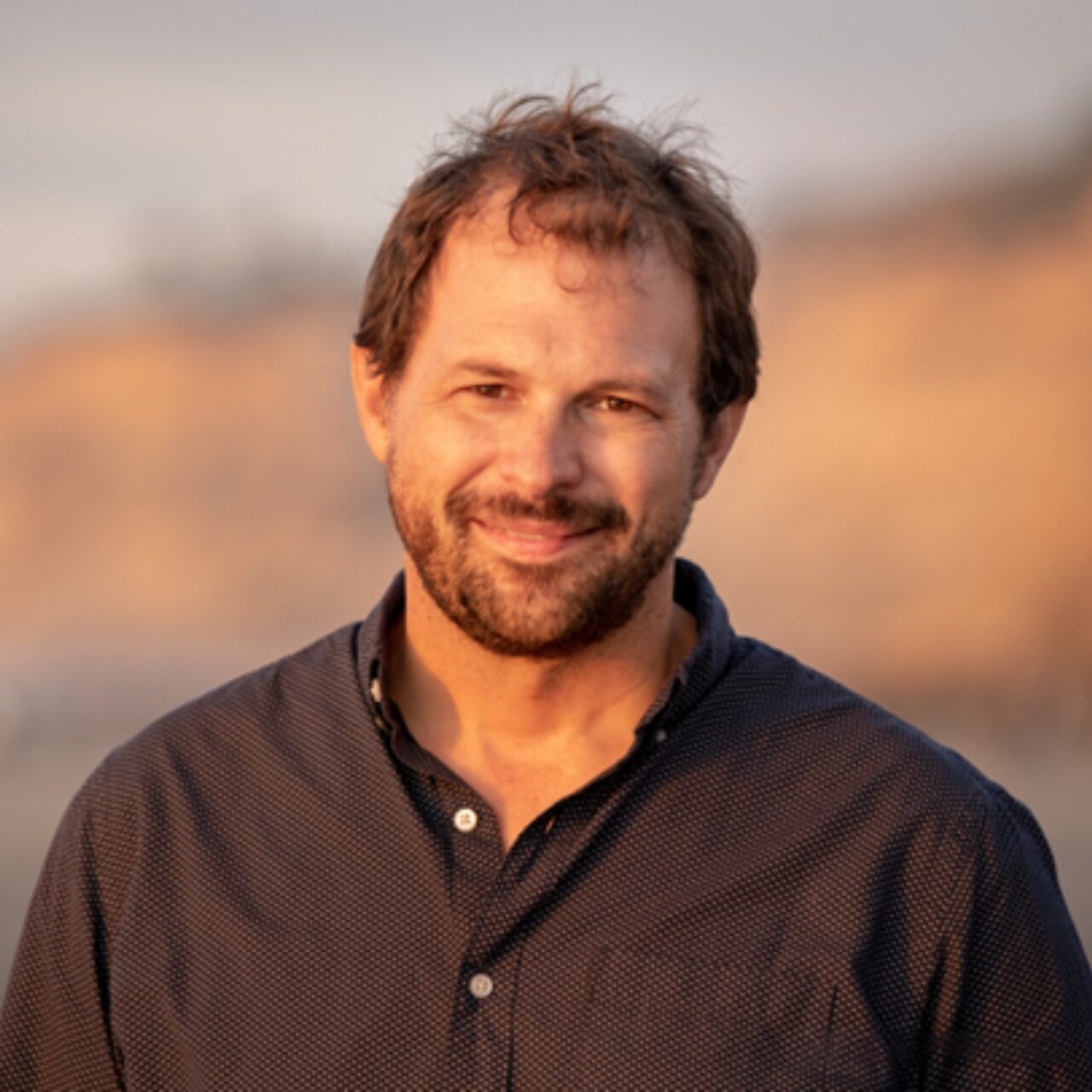
Vivek Shetty – UCLA
Opening session for the institute. Establishes cohort identity through structured self-introductions (background, institution, capstone focus) to seed peer-learning and team formation. Explicit walkthrough of the five-phase structure, capstone deliverables, and scholar workflow from virtual sessions through in-person clinics to August deadline. Scholars leave with a concrete mental map connecting each subsequent session to their project development arc.
9:30 am - 10:00 am PT
Implementable DTx: A Conceptual Framework for Capstone Development

Eric Hekler – UC San Diego
Framework installation session. Introduces the “Implementable DTx” model as the shared conceptual scaffold for all content sessions and capstone projects. Frames how design decisions interact with behavior-change logic, context, equity, and evidence. Scholars receive a one-page framework reference to carry through the program — the evaluative lens for everything that follows.
Asynchronous Learning Blocks

Core Didactic Sessions

8:00 am - 12:15 pm PT
8:00 am - 9:00 am PT
Navigating the Gap: Where mHealth Meets Real-World Implementation Challenges
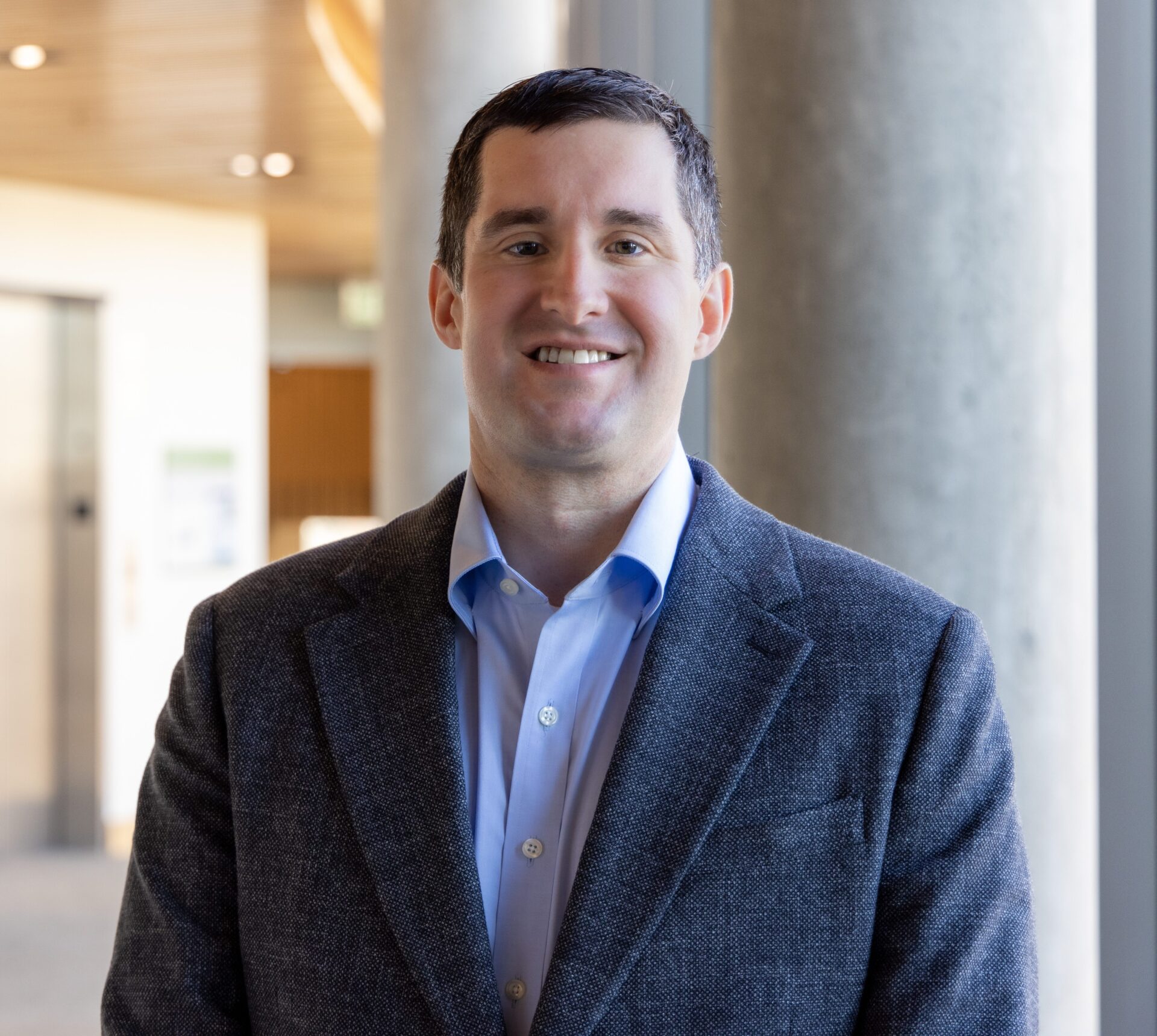
Bonnie Spring – Florida State University
Opening session. Establishes why mHealth interventions fail to translate and frames the translational problem space scholars will work within all day.
9:00 am - 10:00 am PT
mHealth Implementation Roadmap: Developing, Deploying, and Evaluating Implementation Strategies
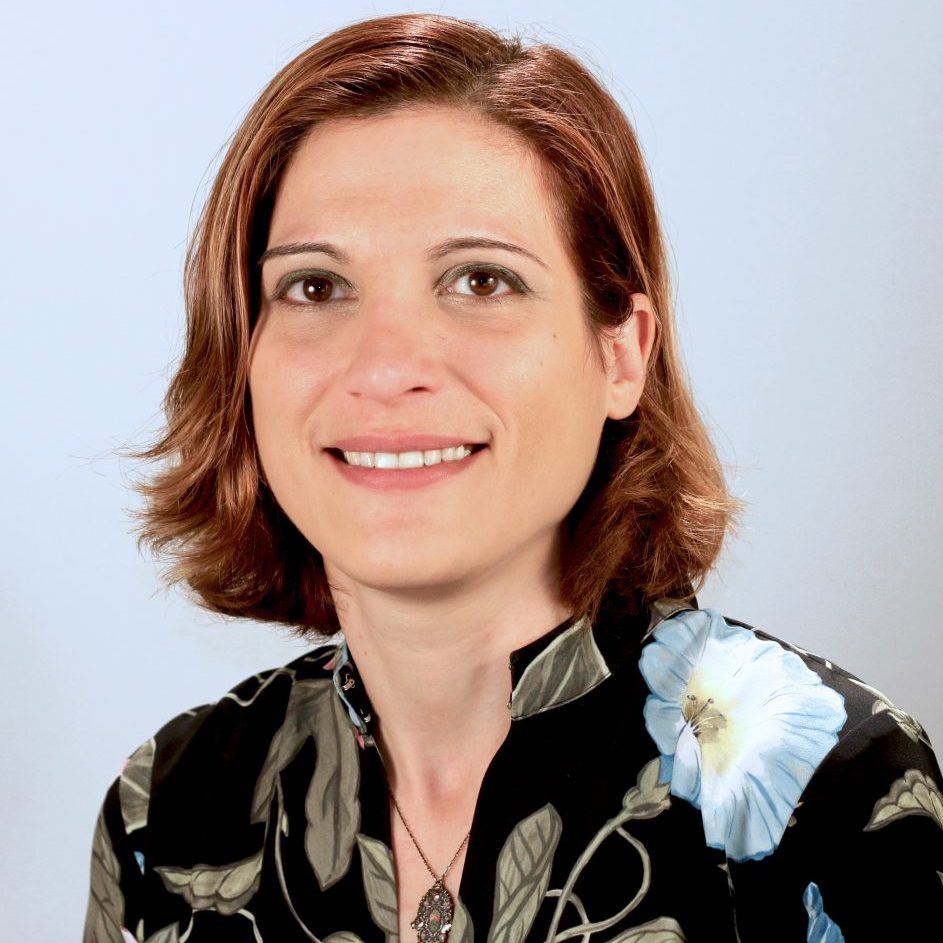
Byron Powell Washington University in St. Louis
Builds directly on Spring. Moves from problem diagnosis to strategy selection — giving scholars practical IS tools to close the gaps Spring names.
10:15 am - 11:15 am PT
Adaptive Interventions in Digital Health: Common Misconceptions and New Opportunities
Inbal (Billie) Nahum-ShaniUniversity of Michigan
JITAI conceptual design anchor. Applies the adaptive-design lens to the implementation challenges Powell frames. Theory session before Newman’s engineering close.
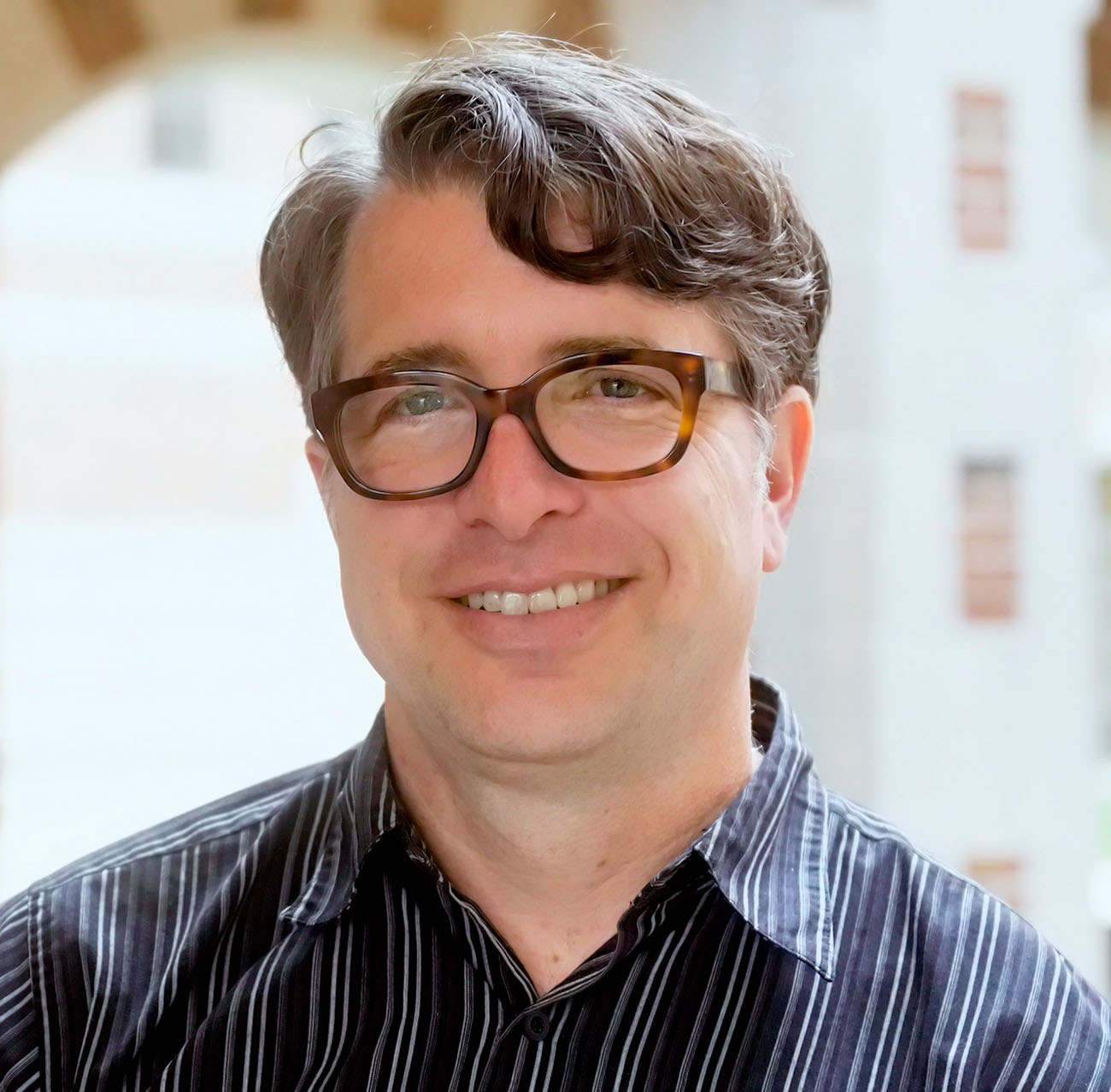
11:15 am - 12:15 pm PT
Building and Deploying Adaptive Behavioral Interventions: Options and Considerations
Mark Newman – University of Michigan
Engineering close for the day. Translates Nahum-Shani’s JITAI theory into buildable architecture. Includes 10-min module on PCCP obligations for RL-based decision engines (FDA Jan 2025 AI/ML SaMD guidance).
8:00 am - 12:15 pm PT
8:00 am - 9:00 am PT
LLMs Unplugged: Simplifying Generative AI for mHealth Innovation
TBD
Opening session for AI/sensing day. Establishes generative AI use cases and failure modes for mHealth — hallucination risks, alignment gaps, and FDA AI/ML SaMD obligations. Sets conceptual foundation before systems architecture talk.
9:00 am - 10:00 am PT
Advancing Mobile Health with Foundational AI Architectures
TBD
Builds directly on previous talk. Moves from conceptual AI landscape to multimodal sensing architecture, real-time inference, and deployment infrastructure. Technical bridge between LLM concepts and Dunn’s biomarker endpoints.
10:15 am - 11:15 am PT
From Wearables to Evidence: Digital Biomarkers and Adaptive Intervention Readiness
Jessilyn Dunn Duke University
Endpoint validity anchor. Closes the digital biomarker gap — translating wearable data into evidence-grade JITAI tailoring variables. DBDP.org pipeline is a teachable artifact. Critical equity framing on BYOD demographic imbalance for passive sensing.
11:15 am - 12:15 pm PT
Regulatory Pathways for Digital Health: From SaMD Classification to Sustainable Deployment
TBD
Regulatory close for the day. Covers SaMD classification, FDA Jan 2026 enforcement discretion, PCCP structure (building on Newman’s Day 1 module), and DTx reimbursement pathways (CMS G0552–G0554, CMMI ACCESS, DiGA model).

Phase 3: Team Science (The Sandboxes)

Mentored Sandboxes

8:00 am - 11:00 am PT
Sandbox 1: Setting the Foundation

Purpose: Team formation and problem selection

Process:

  • Reintroduce yourselves — share your expertise, methods, and mHealth interests
  • Establish team norms for communication and decision-making
  • Select a health challenge that unites and excites your group
  • Map the problem space: relevant technologies, research gaps, implementation barriers
  • Assign working roles and inventory team strengths

Outcome: Established team norms, selected health challenge, preliminary problem map

Between Sessions

Continue asynchronous collaboration. Arrive at the in-person institute with a well-developed Capstone Proposal draft ready for iteration and expert critique.

8:00 am - 11:00 am PT
Sandbox 2: Deepening the Work

Purpose: Problem refinement and solution conceptualization

Process:

  • Explore nuances of your health issue — challenge assumptions, surface disagreements
  • Outline possible intervention strategies using the “Implementable DTx” framework
  • Integrate insights from didactic sessions (implementation science, JITAI, AI/sensing, regulatory)
  • Identify questions for expert feedback at the in-person institute

Outcome: Clear problem statement, emerging solution framework, draft-ready foundation

Between Sessions

Continue asynchronous collaboration. Arrive at the in-person institute with a well-developed Capstone Proposal draft ready for iteration and expert critique.

Phase 4: In-Person Institute @ UCLA

mHealth Training Institute

2026 mHealth Training Institute - Registration / Reception
2:00 pm - 6:00 pm PT
6:00 pm - 8:00 pm PT
Dinner Reception

Luskin Center’s Plateia Restaurant

2026 mHealth Training Institute - Day 1
8:00 am - 4:00 pm PT
Full Day Session
8:00 am - 10:00 am PT
Choice Architecture 2.0: Designing mHealth Interventions That Anticipate How Users Think

Craig Fox – UCLA



Every mHealth app, notification, and default setting is a choice environment—and most designers get it wrong. They treat users as passive targets of behavioral nudges, missing a critical insight: people actively interpret design choices, infer what those choices signal about expectations, and sometimes resist accordingly. In this opening lecture, Craig Fox introduces Choice Architecture 2.0, a framework that reconceptualizes mHealth design as an implicit conversation between intervention and user. Drawing on landmark trials that reshaped antibiotic prescribing, opioid safety, and vaccination uptake across hundreds of thousands of patients, Fox reveals when nudges work, when they backfire, and why anticipating user interpretation is the difference between interventions that stick and those that fail. Scholars will leave with a design lens they can apply to every session that follows—and carry directly into their capstone projects.


10:15 am - 12:30 pm PT
Team Science Session (mentored)
12:30 pm - 1:30 pm PT
Lunch Break
1:30 pm - 1:45 pm PT
Team Report Backs on Capstone Progress
1:45 pm - 4:00 pm PT
Team Science Session
6:00 pm - 9:00 pm PT
Networking Dinner Mixer (off site)

Connect with Scholars, Faculty, & Special Guests

2025 mHealth Training Institute - Day 2
8:00 am - 2:00 pm PT
Full Day Session & Clinics
8:00 am - 8:30 am PT
Team Reports: Capstone Project Summaries (5 mins each)
8:30 am - 10:00 am PT
Developing Smarter mHealth Tools: Insights into mHealth Technology Design and Implementation
Santosh KumarUniversity of Memphis
 
Developing Smarter mHealth Tools: Insights into mHealth Technology Design and Implementation
Nabil AlshurafaNorthwestern University
 
Technical design session bridging Monday’s behavioral foundations to engineering reality. Kumar and Alshurafa address the full arc from sensor architecture and passive data collection to real-world deployment challenges—giving scholars the implementation substrate their capstone interventions require. Dual-speaker format brings complementary expertise: Kumar on mobile sensing systems and biomarker detection; Alshurafa on wearable computing, eating detection, and clinical translation.
 
10:15 am - 12:30 pm PT
Team Science Session (mentored)
12:30 pm - 2:00 pm PT
Working Lunch | Consultation Clinic
Consultation Clinics (by signup)

Working lunch format allows scholars to receive targeted faculty feedback on capstone projects. Sign up for one track based on primary development need. Clinics run concurrent with lunch—bring your questions and your plate.

Experimental Design/Methodology
Angela PfammatterUniversity of Tennessee
 
Consultation Clinic Tracks
Behavioral Interventions
Bonnie SpringFlorida State University
 
Behavioral Interventions
Eric HeklerUC San Diego
 
Digital Platforms for JITAI's
Rose RocchioUCLA
 
Digital Platforms for JITAI's
Pedja KlasjnaUniversity of Michigan
 
Digital Technologies
Nabil AlshurafaNorthwestern University
 
Digital Technologies
Santosh KumarUniversity of Memphis
 
2:00 pm - 4:00 pm PT
Team Science Session
2025 mHealth Training Institute - Day 3
8:00 am - 5:00 pm PT
Full Day Sessions
8:00 am - 9:00 am PT
Designing for the Margins: Why Health Equity Must Be Built Into mHealth—Not Bolted On
Vickie MaysUCLA
 
mHealth interventions routinely fail the populations that need them most. Recruitment underrepresents communities of color; algorithms trained on biased datasets perpetuate disparities; digital tools designed without attention to context ignore the social determinants that shape health outcomes. Vickie Mays—Distinguished Professor of Psychology and Health Policy at UCLA and recipient of the 2024 APS James S. Jackson Lifetime Achievement Award—has spent four decades studying how discrimination, structural inequality, and data gaps undermine health equity for racial, ethnic, and sexual minorities. In this session, she challenges scholars to move beyond “inclusive recruitment” checklists toward interventions that center marginalized populations from conception through deployment. Drawing on her COVID-19 vulnerability modeling, HIV prevention research, and policy work shaping federal data standards on social determinants of health, Mays provides a framework for designing mHealth tools that reach—and actually serve—the communities most often left behind.
 
9:00 am - 10:00 am PT
The Science of Timing: Micro-Randomized Trials and the Optimization of Just-in-Time Interventions
Predrag Klasnja – University of Michigan
 

The promise of just-in-time adaptive interventions is simple: deliver the right support, at the right moment, in the right context. The science of fulfilling that promise is not. How do you know which intervention components work? When do they work best? For whom? And how do effects change over time? Predrag Klasnja— co-developer of the micro-randomized trial (MRT) methodology—has pioneered experimental designs that answer these questions with causal rigor. In this session, Klasnja draws on HeartSteps and other landmark studies to show how MRTs enable researchers to model time-varying treatment effects, identify contextual moderators, and iteratively optimize JITAI decision rules. Scholars will learn when to use MRTs versus traditional RCTs, how to specify proximal outcomes, and how to translate findings into adaptive algorithms that improve with use. This is the methodological bridge between JITAI theory (Nahum-Shani, Day 1) and real-world deployment.

10:15 am - 12:00 pm PT
Team Science Session (mentored)
1:00 pm - 5:00 pm PT
Capstone Preparation

Presentation development and practice

2025 mHealth Training Institute - Day 4
8:00 am - 12:30~ pm PT
Capstone Presentations & Graduation Lunch
8:00 am - 9:15 am PT
Capstone Presentations by Teams

Team pitches (10 min) + Faculty feedback (5 min)

Two days of intensive learning. Hours of team collaboration. Now it all comes down to this. Each team steps into the spotlight to pitch their mHealth intervention—10 minutes on the clock, the full cohort watching, and a faculty panel ready to probe. Then 5 minutes of live feedback: direct, constructive, and designed to make your proposal stronger.

This isn’t a recitation. It’s a performance of ideas under pressure—clarity of thought, confidence in delivery, and the visible chemistry of a team that built something together. Faculty will score across eight dimensions, from problem framing to methodological rigor to real-world feasibility. But the deeper test is simpler: Can you convince a room full of experts that your intervention deserves to exist?

Expect tough questions. Expect recognition for what lands. And expect to walk away with the sharpest feedback you’ll receive before the September deadline. Bring your best work, your thickest skin, and your readiness to celebrate what this cohort has accomplished.

9:30 am - 10:15 am PT
Building an Antifragile Career: Adapting and Thriving Amid Volatility and AI
Vivek Shetty – UCLA
 
The rules of academic success are shifting faster than most faculty handbooks acknowledge. Funding landscapes are tightening, AI is reshaping what counts as expertise, and the traditional markers of productivity—publications, grants, h-index—are being scrutinized and redefined. How do early-career investigators build durable careers amid this volatility? Vivek Shetty— UCLA Distinguished Professor who served on the university’s central tenure and promotion committee—offers a candid, strategic guide to positioning yourself for career advancement in an era of uncertainty. This session covers dossier optimization, narrative construction, leveraging AI as collaborator rather than threat, and the mindset shifts required to thrive when the ground keeps moving.
 
10:15 am - 11:15 am PT
The Compound Effect: Building a Career That Appreciates Over Decades
Peter KaufmanGlenair, Inc.
 
Peter Kaufman has spent 48 years turning a small aerospace company into a global leader, serves as a Caltech trustee, and teaches at Occidental and Notre Dame. He was also a close friend and confidant of Charlie Munger, editing Poor Charlie’s Almanack—the definitive collection of Munger’s multidisciplinary thinking. His subject in this closing keynote: the art of compounding—in business, in knowledge, and in careers. Kaufman argues that the principles behind durable institutions are the same ones behind durable scholars. Expect unconventional wisdom on patience, positioning, and the mental models that separate those who endure from those who flame out.
 
11:15 am - 12:30 pm PT
Graduation Lunch

Certificate presentation and closing celebration

Phase 5: Capstone & Funding

8:00 am - 10:00 am PT
Capstone Deadline
Sunday, August 9, 2026 – 12:00 aM PT
Capstone Review
Monday, August 10 – Monday, August 24, 2026
NIH Program Officer Discussions
October – November 2026
Scholar Acceptance Deadline

Friday, March 20, 2026

(10 day allocation for RSVPs)
12:00 am PT (midnight)
Deadline for Submitting Capstone Proposals
TBD
Guided Discussions with NIH Program Officers on Funding Opportunities
2026 mHTI Logo v1

Ready To Get Started

Subscribe to Our
mHealth Newsletter

Stay up-to-date on the latest in mHealth!

mdotLogoFadedHighRes

mHealth Center for Discovery, Optimization &
Translation of Temporally-Precise Interventions

University of Memphis

Website sponsored by the mHealth Center for Discovery, Optimization & Translation of Temporally-Precise Interventions (mDOT).
mDOT is supported by the National Institutes of Health’s National Institute of Biomedical Imaging and Bioengineering through its Biomedical Technology Resource Centers Program.

Copyright © 2025 mHealth Training Institute. | All Rights Reserved